Loading...
About Piekenierskloof Wines
Established in 1957
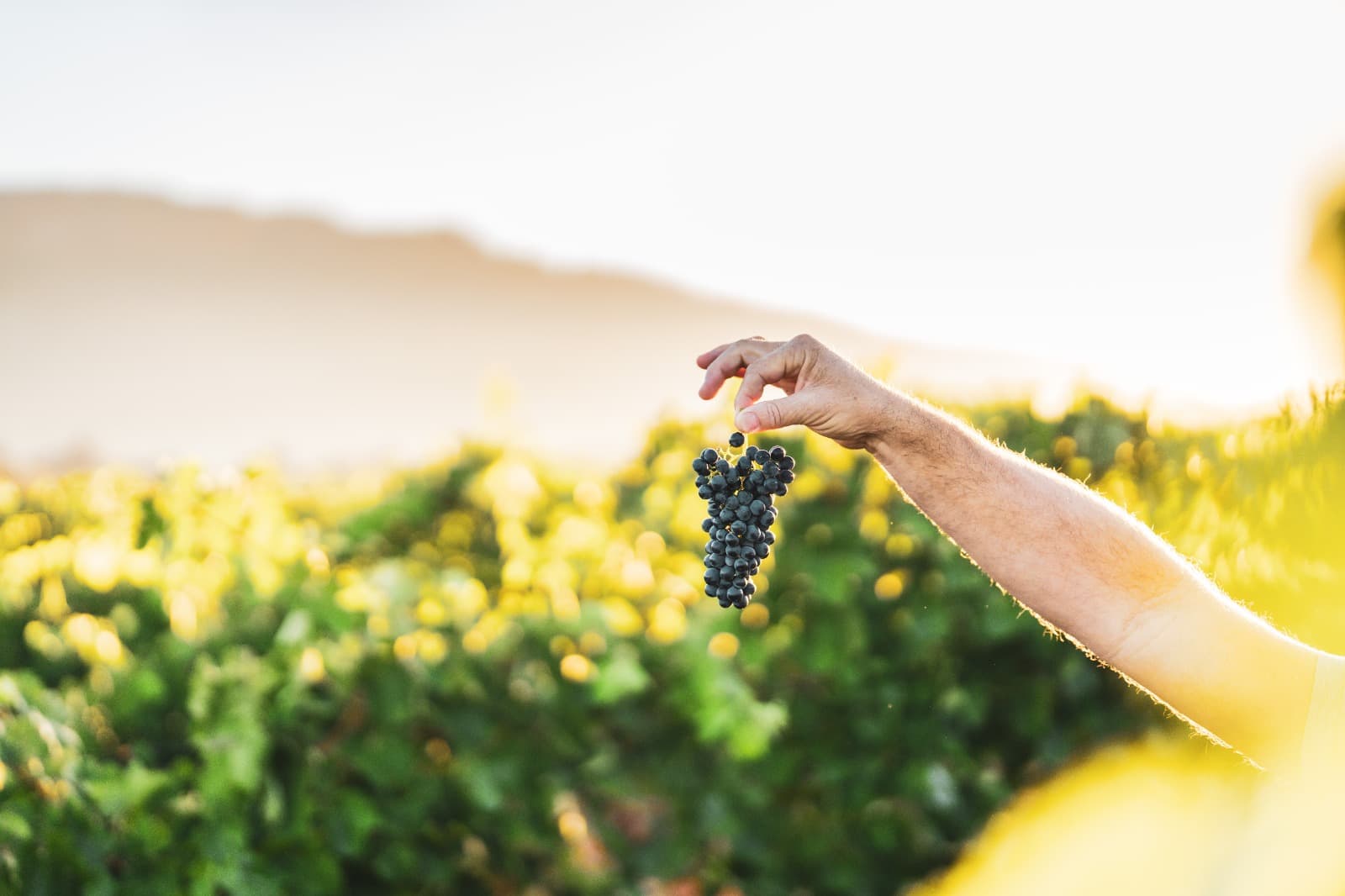
In the remote mountain pass north of Citrusdal, where the Cape's Mediterranean climate gives way to semi-arid heat, some of South Africa's oldest and most remarkable vineyards cling to the rocky slopes. Piekenierskloof Wines — formerly the Citrusdal Cooperative — is the custodian of these heritage vines, many over sixty years old, ungrafted, unirrigated, and trained as bush vines in the ancient dryland tradition.
The story begins in 1923, when Johan Abraham van Zyl and his wife Wilhelmina settled in the Piekenierskloof area. By the 1950s, a community of farmers had established enough plantings to justify a winery, and in 1957 the Citrusdal Cooperative — initially called Goue Vallei Wyne — was founded. In 1962, Carel van Zyl planted some of the first Grenache vineyards in the area, establishing what would become the region's signature variety. That same year, a Chenin Blanc vineyard was planted on the Bergendal farm — it is still producing today.
The cooperative operated quietly for decades until 2007, when Charles Back of Fairview purchased a fifty percent stake and the name was changed to Piekenierskloof Wines. Back's involvement brought international attention, but the real turning point came a decade later when he sold his shares to brothers Oubaas and Potgieter van Zyl — third-generation descendants of the original Johan Abraham van Zyl. The family had come full circle.
Today, cellar master Jaco van Niekerk and winemaker Hendrien Vercueil work with five certified Old Vine wines: the Bergendal Chenin Blanc (planted 1962), the Samson Straw Wine Muscat de Frontignan (1962), the Carel van Zyl Grenache Noir (1973), the Heidedal Cinsault (1976), and the Johan van Zyl Pinotage (1976). Each wine carries the name of the family or farm that planted the vineyard, anchoring the portfolio in local history.
The Six Hats range, named for the six thinking hats of the Cape West Coast, offers accessible everyday wines that reflect the terroir at gentler price points. Across the full portfolio, the hallmark is concentration without heaviness — the product of old, low-yielding bush vines producing small, intensely flavoured berries in the dry mountain heat.
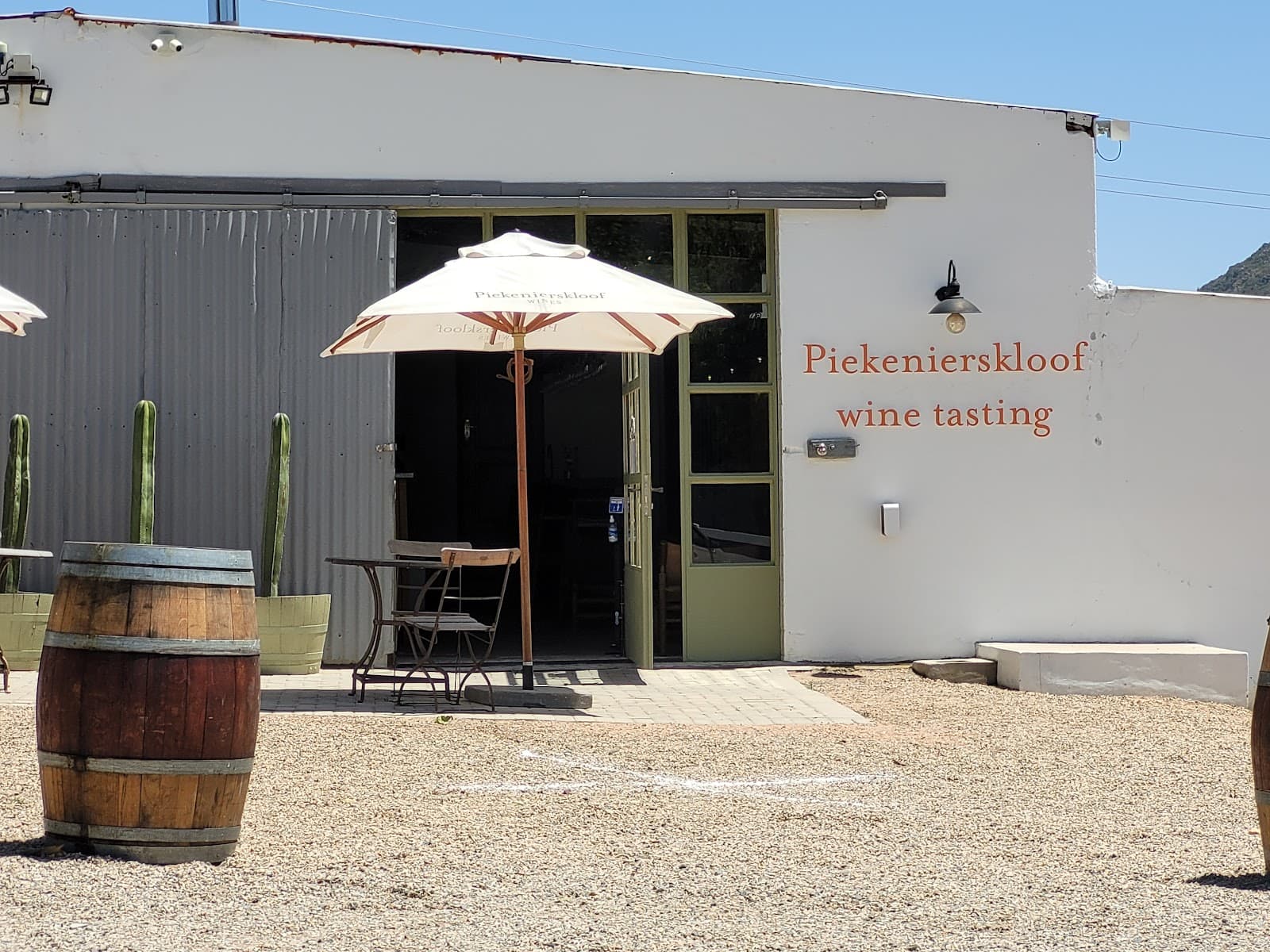
The tasting room in Citrusdal is open seven days a week, and the experience of tasting wines from vines planted over six decades ago is unlike anything else in the Western Cape. Piekenierskloof is not merely a winery — it is a living archive of South African viticultural heritage, and one of the few places in the world where you can taste wine from vines that have been growing, ungrafted and unirrigated, for more than six decades.
Certified Old Vine wines from bush vines planted in 1962, 1973, and 1976
Ungrafted, unirrigated dryland farming — heritage viticulture at its purest
Van Zyl family ownership spanning three generations since 1923
Each Old Vine wine named after the family or farm that planted the vineyard
Recognised by Jancis Robinson and international critics
Six Hats range offers excellent value from the same terroir
Open seven days a week in Citrusdal
Award-Winning Wines
Boutique Experience
Family-Owned Estate
Off the Beaten Track
Elegant & Stylish
Rustic
Gourmet
Boutique
Elegant
Rustic
Romantic
Scenic
Family Friendly
The Winemaker
Jaco van Niekerk
Cellar master Jaco van Niekerk was appointed in 2017 and works alongside winemaker Hendrien Vercueil. Together they manage the vinification of certified Old Vine wines from some of South Africa's oldest bush vine plantings, using minimal-intervention techniques to preserve the character of these heritage vineyards.
Our Heritage
The story of Piekenierskloof Wines through the years
1923
Van Zyl Family Settles
Johan Abraham van Zyl and his wife Wilhelmina settle in the Piekenierskloof area, beginning the family's farming legacy.
1957
Citrusdal Cooperative Founded
Local farmers establish the Citrusdal Cooperative winery, initially called Goue Vallei Wyne.
1962
Heritage Vineyards Planted
Carel van Zyl plants Grenache vines and the Bergendal Chenin Blanc vineyard — both still producing over sixty years later.
2007
Renamed Piekenierskloof Wines
Charles Back of Fairview buys fifty percent and the cooperative is renamed Piekenierskloof Wines, gaining international recognition.
2017
Van Zyl Family Regains Full Ownership
Brothers Oubaas and Potgieter van Zyl, third-generation descendants of Johan Abraham, buy back Charles Back's shares.
Sustainability
The bush vines are farmed without irrigation, relying entirely on natural rainfall. Many vineyards remain ungrafted and disease-free after more than sixty years. This dryland approach conserves water and maintains soil biodiversity in a semi-arid environment.
Accreditations
Old Vine Project Certified
Jancis Robinson Feature
Who Is This For?
Perfect for Sunny Days
A Wet Day
Cosy Winter Visits
Cyclists
Private Events
Families with Young Kids
Families with Teens
Large Groups
Medium Groups
Small Groups
Couples
Non-Drinker Friendly
More in Cederberg
Quick Facts
RegionCederberg
Established1957
WinemakerJaco van Niekerk
Rating4.2 / 5
Wine Varietals7
Kid-Friendly
Pet-Friendly
Wheelchair Accessible
Views & Setting
Vineyards
Farmland Scenery
Gardens / Lawns
Mountains
Panoramic Views