Loading...
Durbanville
Heritage & Innovation
Diemersdal Wine Estate
Diemersdal Wine Estate — Crafting wines since 1702
4.4(243 reviews)
Est. 1698Winemaker: Thys LouwAbout Diemersdal Wine Estate
Established in 1698
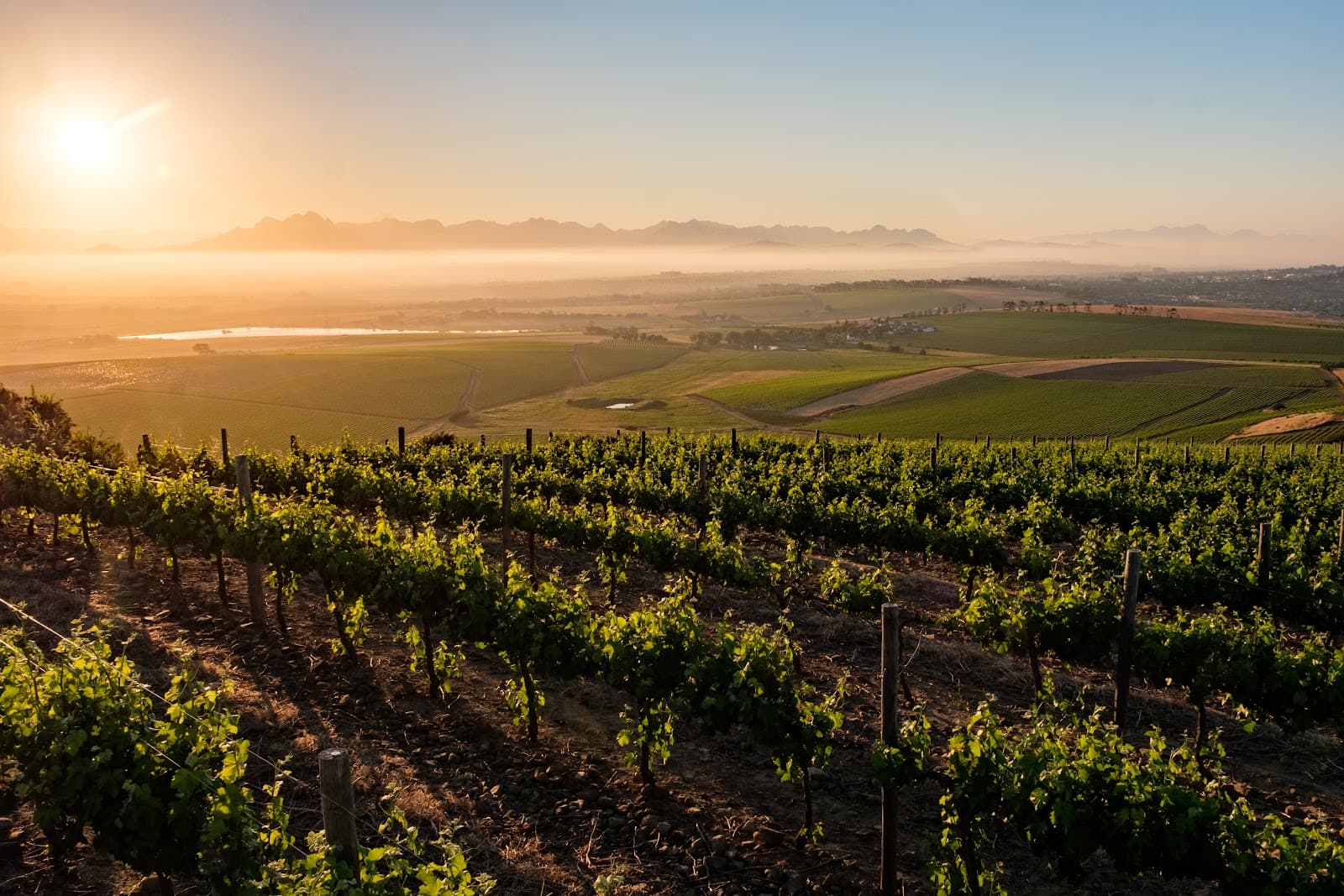
On the cool northern slopes of the Drostberg in Durbanville, where afternoon sea breezes from the Atlantic roll across the vineyards in soft curtains of mist, Diemersdal Wine Estate has been making wine for more than three centuries. The land was first granted in 1698 by Simon van der Stel to free burgher Hendrik Sneewind. When Captain Diemer married the widow Sneewind, the farm took his name and Diemersdal was formally established. A leather-bound inventory from 1702 listing forty-five wine barrels, a wine press, and glass bottles confirms that winemaking on this ground predates many of the Cape's most celebrated estates.
In 1885, the first generation of the Louw family made Diemersdal their home. Six generations later, the family remains. Thys Louw, the sixth-generation winemaker, joined his father Tienie on the estate in 2006. His very first wine became an instant legend: given access to just eight rows of Sauvignon Blanc vines, the young winemaker produced a wine so compelling that Eight Rows Sauvignon Blanc has become one of the most recognised single-vineyard whites in South Africa. It is still made from those same eight rows today.
Diemersdal's 200 hectares of vines are all farmed under dryland conditions, entirely dependent on the region's 700mm annual rainfall. The ancient soils of decomposed granite with a moisture-retaining clay component, combined with the temperate maritime climate, create a terroir uniquely suited to Sauvignon Blanc and Pinotage. The vines develop naturally, without irrigation, producing berries of intense concentration that give the wines their hallmark purity and sense of place.
In the cellar, tradition and innovation meet. Certain red wines are fermented in open-top wood and concrete fermenters with manual punch-downs, while selected Sauvignon Blanc parcels see French oak barrel fermentation. The estate's pioneering spirit is most vividly expressed in the Winter Ferment Sauvignon Blanc, where juice is frozen at minus twenty degrees Celsius after harvest and thawed to ferment five months later in the heart of Cape winter, producing a style entirely unique to South Africa.
The wine portfolio spans three tiers. The Diemersdal Range offers accessible, terroir-driven everyday wines. The Premium Range, including Eight Rows, the Reserves, and the Wild Horseshoe, showcases the best vineyard blocks. At the summit, The Journal Range represents the ultimate expression of Diemersdal terroir, each wine a record of time, place, and six generations of craft. Diemersdal was also the first estate in South Africa to produce wine from the Austrian grape Gruner Veltliner, a testament to Thys Louw's restless curiosity.
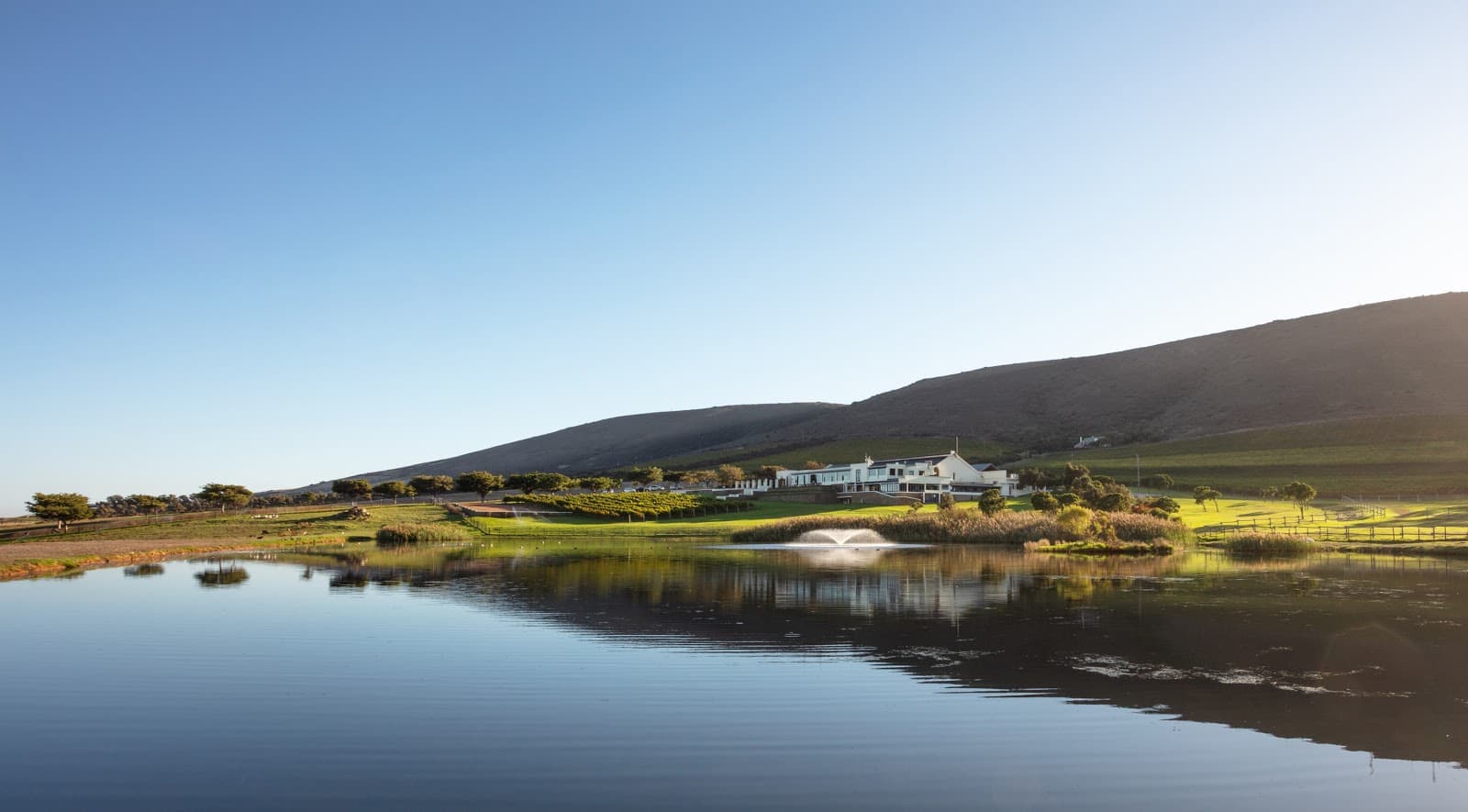
Beyond wine, Diemersdal was the first farm in Durbanville to achieve WWF Conservation Champion status, preserving a 16.8-hectare conservation area of critically endangered Swartland Shale Renosterveld on the Dorsberg hill. The Farm Eatery serves bistro-style French-inspired cuisine on an outside terrace overlooking the historic vineyards. Suite accommodation is available for overnight stays. A tasting room with rustic charm operates on a walk-in basis, welcoming visitors to discover wines that carry three centuries of Durbanville heritage in every glass.
Restaurant in stables with outside seating overlooking historic vineyards serving bistro-style food.
Over 320 years of continuous winemaking documented from 1702
Six generations of the Louw family, one of the longest family wine dynasties in the Cape
All 200 hectares farmed under dryland conditions with no irrigation
Eight Rows Sauvignon Blanc — a single-vineyard icon from Thys Louw's first eight rows
South Africa's first Gruner Veltliner and the unique Winter Ferment Sauvignon Blanc technique
First Durbanville farm to achieve WWF Conservation Champion status
Named Top Performing Winery of the Year in the Platter's Guide 2026
Family-Owned Estate
Heritage Estate
Gourmet
Scenic
Historic
Romantic
Family Friendly
The Winemaker
Thys Louw
Thys Louw is the sixth generation of the Louw family to make wine at Diemersdal. He joined the estate in 2006 and immediately made his mark with Eight Rows Sauvignon Blanc, crafted from his first allocated vineyard block. Known for his pioneering spirit, Thys introduced South Africa's first Gruner Veltliner and developed the innovative Winter Ferment technique. Under his leadership, Diemersdal won the General Smuts Trophy and was named Top Performing Winery of the Year in the Platter's Guide 2026.
Our Heritage
The story of Diemersdal Wine Estate through the years
1698
Farm Established
Simon van der Stel grants farmland in Durbanville to Hendrik Sneewind; the farm later passes to Captain Diemer, giving it its name.
1702
Wine Production Documented
A leather-bound inventory lists 45 wine barrels, a wine press, and glass bottles, confirming over three centuries of winemaking.
1885
Louw Family Arrives
The first generation of the Louw family makes Diemersdal their home, beginning the dynasty that continues today.
1979
Estate Declaration
Diemersdal is officially declared a Wine Estate and releases its first wine under own label, Private Collection.
1990
First Sauvignon Blanc
Recognising the potential of the cool-climate terroir, Diemersdal releases its first Sauvignon Blanc.
2006
Sixth Generation Begins
Thys Louw joins the estate as sixth-generation winemaker; his debut wine, Eight Rows Sauvignon Blanc, is released.
2013
General Smuts Trophy
Diemersdal wins the General Smuts Trophy as overall Best Wine at the South African Young Wine Show.
Sustainability
Diemersdal was the first wine farm in Durbanville to achieve WWF Conservation Champion status. The estate preserves a 16.8-hectare area of critically endangered Swartland Shale Renosterveld on the Dorsberg hill, where botanical surveys have recorded at least 38 flowering plant species including the endangered Oxalis strigosa and Geissorhiza erosa. Vineyards are farmed using regenerative methods with cover crops planted between rows to support insect life and draw carbon into the soil.
Accreditations
WWF Conservation Champion
General Smuts Trophy Winner (2013)
Platter's Guide Top Performing Winery of the Year 2026
Sustainability - WWF
Who Is This For?
Perfect for Sunny Days
Weekend Getaways
Corporate Events
Private Events
Families with Young Kids
Families with Teens
Large Groups
Medium Groups
Small Groups
Couples
Solo Visitors
Romantic Occasions
Non-Drinker Friendly
More in Durbanville

Quick Facts
RegionDurbanville
Established1698
WinemakerThys Louw
Tasting FeeR24 – R25
Rating4.4 / 5
Wine Varietals13
Kid-Friendly
Views & Setting
Vineyards
Cellar
Farmland Scenery
Valley
Mountains