Loading...
Robertson
Boutique Wild
Kleinhoekkloof Wines
Kleinhoekkloof Wines — Merlot and more in Robertson
4.9(50 reviews)
Winemaker: Theunis de JonghAbout Kleinhoekkloof Wines
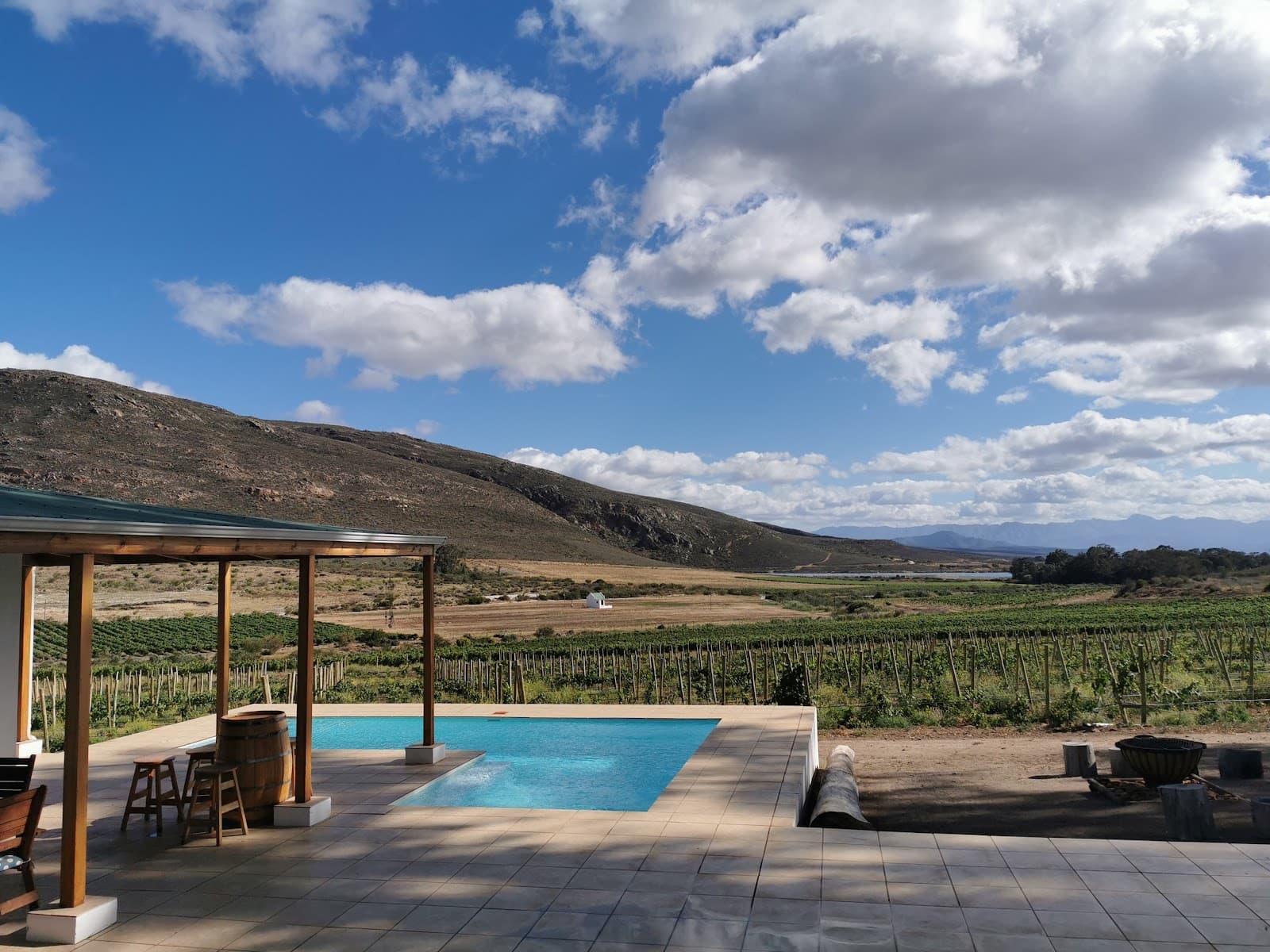
Tucked into the Wildepaardekloof Valley on the southern foot of the Langeberg Mountain between Robertson and Montagu, Kleinhoekkloof is the kind of place that feels more discovered than visited. The farm is 114 hectares in all, most of it wild mountain country — fynbos, leopard territory, and the kind of silence that makes a glass of wine taste different. Only 11.2 hectares are under vine, planted with Sauvignon Blanc, Viognier, Shiraz, Merlot, Petit Verdot, and Pinot Noir in compact parcels scattered across carefully chosen sites in this small, picturesque valley.
The de Jongh family acquired the property in 2004. Theunis Willem de Jongh's approach to winemaking is uncompromising: do justice to the unique terroir of Kleinhoekkloof, let the pure flavour of the fruit lead, and produce wines where fruit, structure, and acidity stand in perfect balance. The scale is deliberately small — handcrafted, limited-production wines from pristine vineyard blocks.
That approach has yielded extraordinary results. Kleinhoekkloof's Jupiter — a co-fermented blend of Shiraz, Petit Verdot, and Viognier aged in a combination of new and old wood — was awarded the Grand Prix Wine Award at the 26th Michelangelo International Wine and Spirit Competition, receiving the highest score of all 1,509 competition entries. The wine combines the supple, sappy framework of cool-grown Shiraz with a Petit Verdot punch of dusty tannin, elevated by the perfumed fleshiness of Viognier. It is a Robertson red of genuine ambition.
Sustainability is embedded in the farm's identity. Eighty percent of Kleinhoekkloof's 114 hectares is registered under the Biodiversity and Wine Initiative (BWI), and the farm participates in the Leopard Friendly farming initiative — a fitting commitment for a property where the wild country dwarfs the cultivated land.
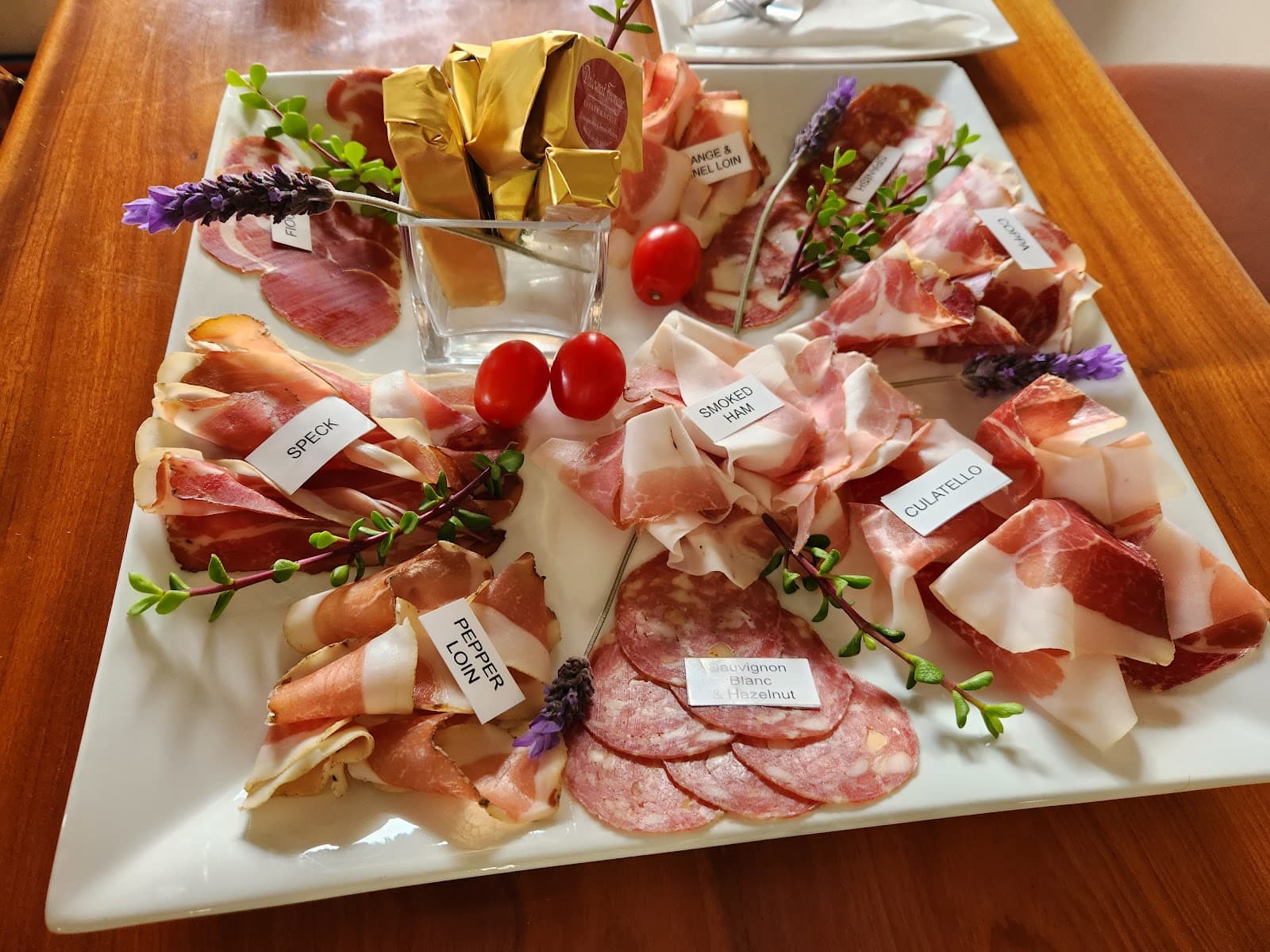
The tasting experience is intimate. An outside terrace overlooking the valley and mountains provides the setting, and Kleinhoekkloof's famous artisanal charcuterie platters — with cured meats crafted in small batches by Theunis himself, including Coppa, Culatello, Speck, Pepper Loin, and Orange and Fennel Loin — have become as much of a drawcard as the wines. The pigs are raised on the De Jongh family's Glen Oaks Farm at Tesselaarsdal in the southern Cape.
Comfortable accommodation and a dam complete the offering, with walking trails threading through the mountain landscape. Kleinhoekkloof is a farm where the wildness of the Langeberg and the precision of the cellar exist in balance — and where a Grand Prix-winning red proves that scale has nothing to do with ambition.
Jupiter blend won the Michelangelo Grand Prix — highest score of 1,509 entries
Only 11.2 hectares of vines on a 114-hectare mountain property — boutique by definition
80% of the farm conserved under BWI and Leopard Friendly farming initiatives
Famous artisanal charcuterie platters with house-cured Coppa, Culatello, and Speck
Family-owned boutique winery in the hidden Wildepaardekloof Valley
Outside terrace tasting with valley and Langeberg mountain views
Award-Winning Wines
Boutique Experience
Family-Owned Estate
Cosy & Comfortable
Gourmet
Scenic
Boutique
Relaxed
The Winemaker
Theunis de Jongh
Theunis Willem de Jongh acquired Kleinhoekkloof in 2004 and applies an uncompromising approach to his 11.2 hectares of vines: let the terroir speak, respect the fruit, and produce wines where fruit, structure, and acidity are in perfect balance. His Jupiter blend won the Michelangelo Grand Prix — the highest-scoring wine of 1,509 entries.
Our Heritage
The story of Kleinhoekkloof Wines through the years
2004
De Jongh Family Acquisition
Theunis Willem de Jongh and his family acquire the 114-hectare Kleinhoekkloof property in the Wildepaardekloof Valley, planting 11.2 hectares of vines.
2018
Michelangelo Grand Prix
Kleinhoekkloof Jupiter 2018 wins the Grand Prix Wine Award at the 26th Michelangelo International Wine and Spirit Competition — the highest score of all 1,509 entries.
Sustainability
Eighty percent of Kleinhoekkloof's 114 hectares is registered under the Biodiversity and Wine Initiative (BWI), and the farm participates in the Leopard Friendly farming initiative. Most of the property remains wild mountain fynbos, with only 11.2 hectares under cultivation.
Accreditations
Michelangelo Grand Prix Wine Award (Jupiter 2018)
Biodiversity and Wine Initiative (BWI)
Leopard Friendly Farming
More in Robertson
Quick Facts
RegionRobertson
WinemakerTheunis de Jongh
Rating4.9 / 5
Wine Varietals7
Views & Setting
Farmland Scenery
Valley
Mountains