Loading...
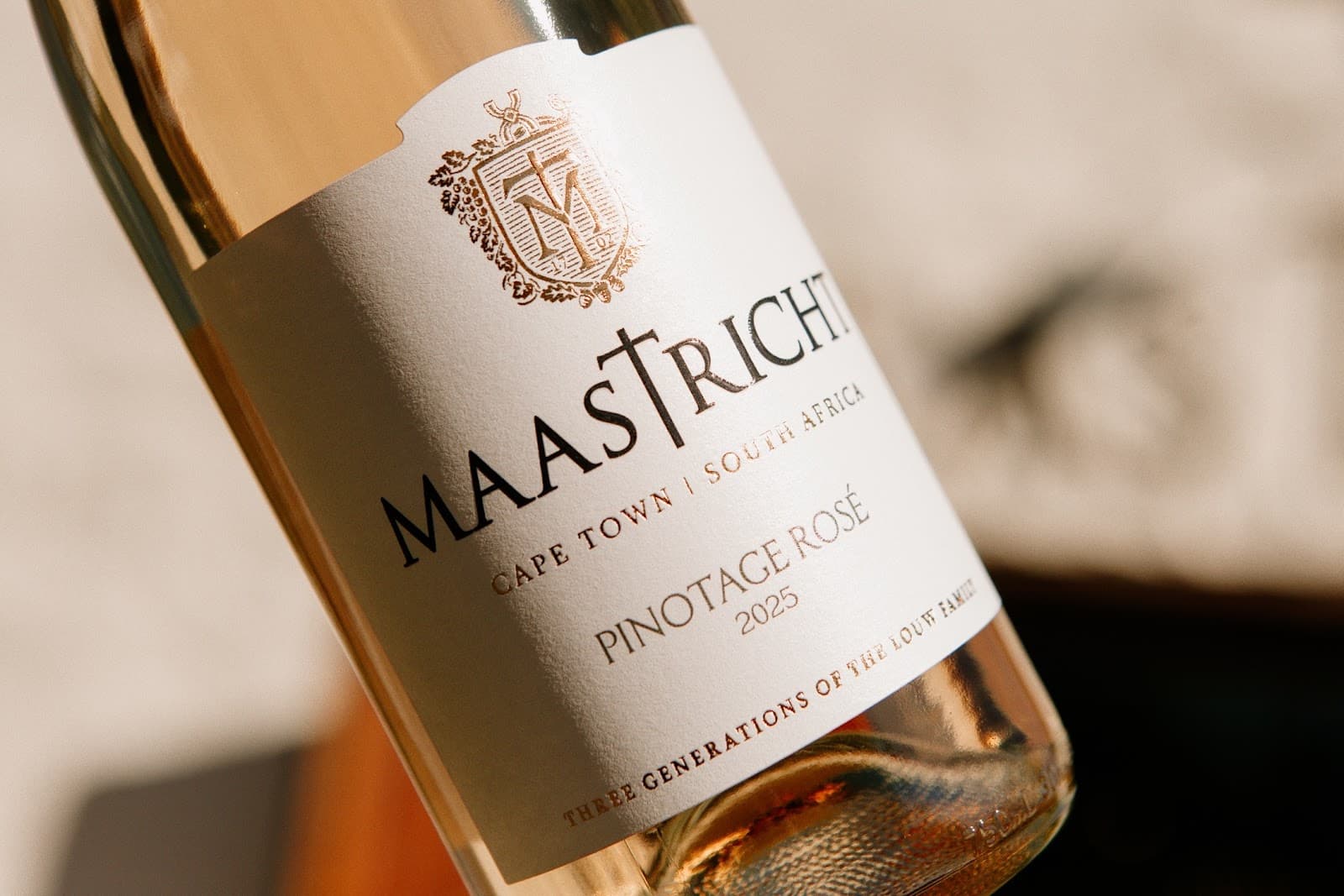
About Maastricht Wines
On 9 February 1702, the Dutch East India Company granted a parcel of land in the Tygerberg Valley to Hendrick Seeger, a settler who had arrived at the Cape aboard a VOC vessel. Seeger named his farm Maastricht, after his hometown in the Netherlands, finding in the clay-rich soils and rolling hills of Durbanville an echo of the landscape he had left behind. The name endured, as did the ancient oak trees planted in the 1700s by a Dutch monk, arranged in a cross pattern that still stands on the property today.
Maastricht holds a rare place in the early history of Cape winemaking. By the early 1800s, during the Napoleonic era, the farm was listed among the first nine properties registered as wine producers -- at a time when ownership of at least 10,000 vines was required to qualify. The original farmhouse was lost to fire in the early 1900s, but the current homestead, dating to the 1920s, carries the legacy forward alongside the ancient oaks and the deep-rooted vines that define the property.
The modern era of Maastricht Wines began in 1982, when a 22-year-old Johannes Louw purchased the farm, recognising the exceptional potential of the terroir. For nearly three decades, Louw cultivated high-quality grapes, selling fruit to other producers and building a deep understanding of the land. In 2010, the family launched their own wine label, finally putting the Maastricht name on the bottle. The estate spans approximately 100 hectares, planted to Sauvignon Blanc, Pinotage, Cabernet Sauvignon, and Pinot Noir.
In 2015, Johannes's son Thys joined the farm after completing a business degree at the University of Stellenbosch. He brought international perspective from time spent in St. Emilion in Bordeaux and Napa Valley in California, blending old-world winemaking traditions with new-world ambition. Thys's wife, Melanie, oversees the tasting room, hospitality, and private functions, making Maastricht a true family venture across generations.
The estate is recognised as a Sauvignon Blanc specialist, benefiting from its position just 10 kilometres from the Atlantic Ocean. Coastal breezes sweep across the vineyards, preserving the natural acidity that gives Maastricht's whites their intensity and complexity -- tropical fruit, gooseberry, and passion fruit flavours carried on a balanced, refreshing palate. The Contour Sauvignon Blanc is the estate's premium white, while the Pinotage, Pinot Noir, and a Brut Rose MCC round out a range that has earned recognition in national and international competitions.
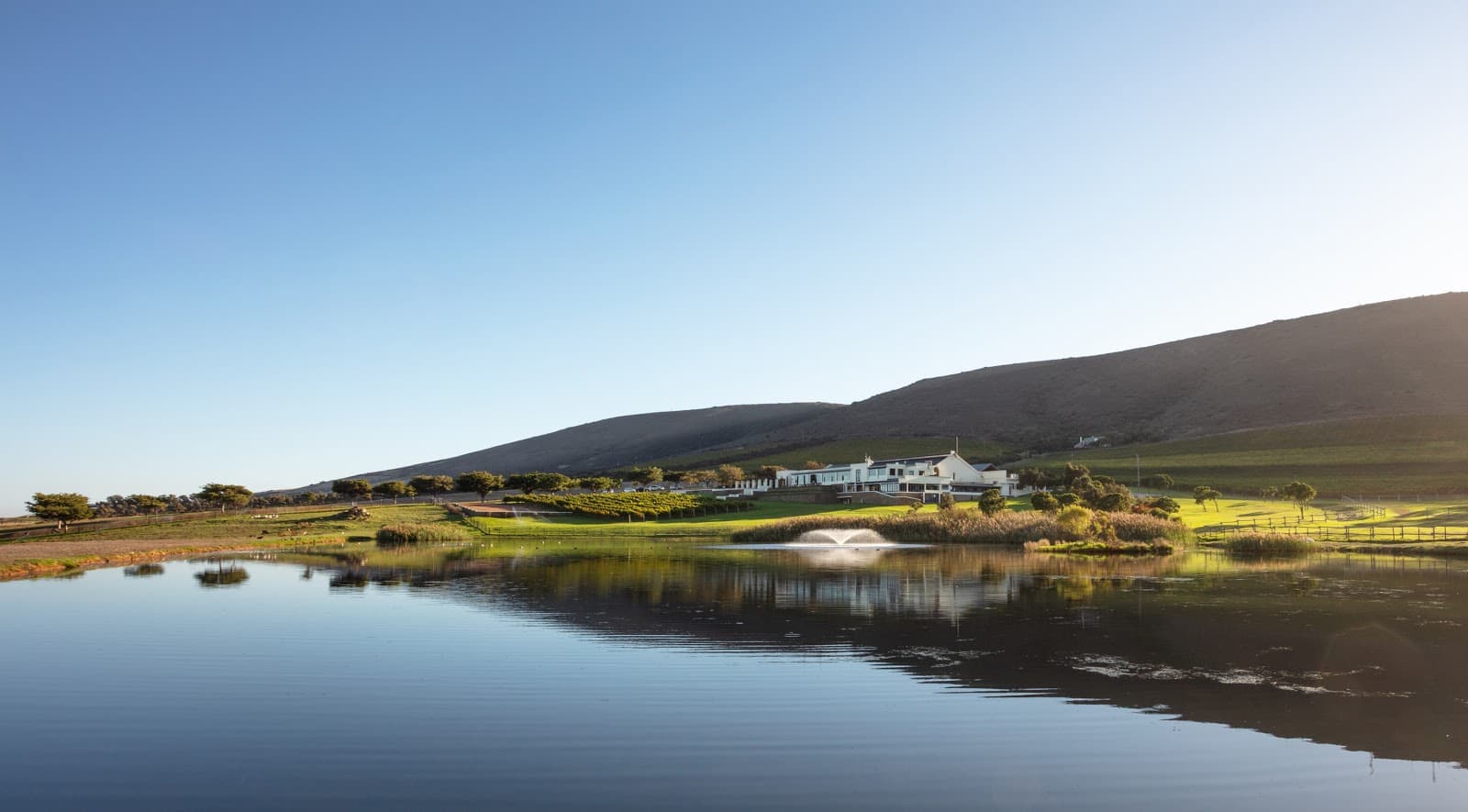
Visitors to Maastricht are welcomed into a tasting room with views across the Durbanville wine valley toward Cape Town and the ocean beyond. The estate is family-owned and managed, with ocean and valley views, walking tours, and cheese and charcuterie platters available alongside the wine. Open seven days a week, with Sunday hours closing earlier at 15:00, Maastricht offers a quiet, unhurried alternative to the busier estates of the valley.
One of the oldest farms in the Cape, with a 1702 VOC land grant
Among the first nine registered wine producers in the early 1800s
Ancient oak trees from the 1700s still standing in a cross pattern
Sauvignon Blanc specialist just 10km from the Atlantic Ocean
True family venture: Johannes, Thys, and Melanie Louw
The Contour Sauvignon Blanc -- the estate's premium single-vineyard white
Family-Owned Estate
Gourmet
Scenic
The Winemaker
Thys Louw joined Maastricht in 2015 after completing a business degree at the University of Stellenbosch and gaining international winemaking experience in St. Emilion (Bordeaux) and Napa Valley (California). Working alongside his father Johannes, who founded the modern estate in 1982, Thys blends old-world tradition with new-world perspective across the estate's Sauvignon Blanc, Pinotage, Pinot Noir, and Cabernet Sauvignon.
Our Heritage
The story of Maastricht Wines through the years
1702
Original Land Grant to Hendrick Seeger
Dutch settler Hendrick Seeger receives a VOC land grant on 9 February 1702 and names the farm Maastricht after his hometown in the Netherlands.
1700s
Ancient Oaks Planted
A Dutch monk plants oak trees in a cross pattern on the property. These ancient oaks still stand today.
Early 1800s
Among the First Nine Registered Wine Producers
During the Napoleonic era, Maastricht is listed among the first nine farms registered as wine producers in the Cape.
1982
Johannes Louw Purchases the Farm
At age 22, Johannes Louw buys Maastricht, recognising the exceptional terroir and beginning decades of grape cultivation.
2010
Own Wine Label Launched
After nearly three decades of growing grapes for other producers, the Louw family launches the Maastricht wine label.
2015
Thys Louw Joins the Estate
Johannes's son Thys joins the farm after studying business at Stellenbosch and gaining winemaking experience in Bordeaux and Napa Valley.
Who Is This For?
Perfect for Sunny Days
More in Durbanville

Quick Facts
RegionDurbanville
Tasting FeeR90 – R110
Rating4.6 / 5
Wine Varietals6
Views & Setting
Ocean
Valley