Loading...
Elgin
Heritage & Adventure
Oak Valley Estate
Oak Valley Estate. — Rooted in Elgin since 1898
4.8(178 reviews)
Est. 1898Winemaker: Quentin GobregtsAbout Oak Valley Estate
Established in 1898
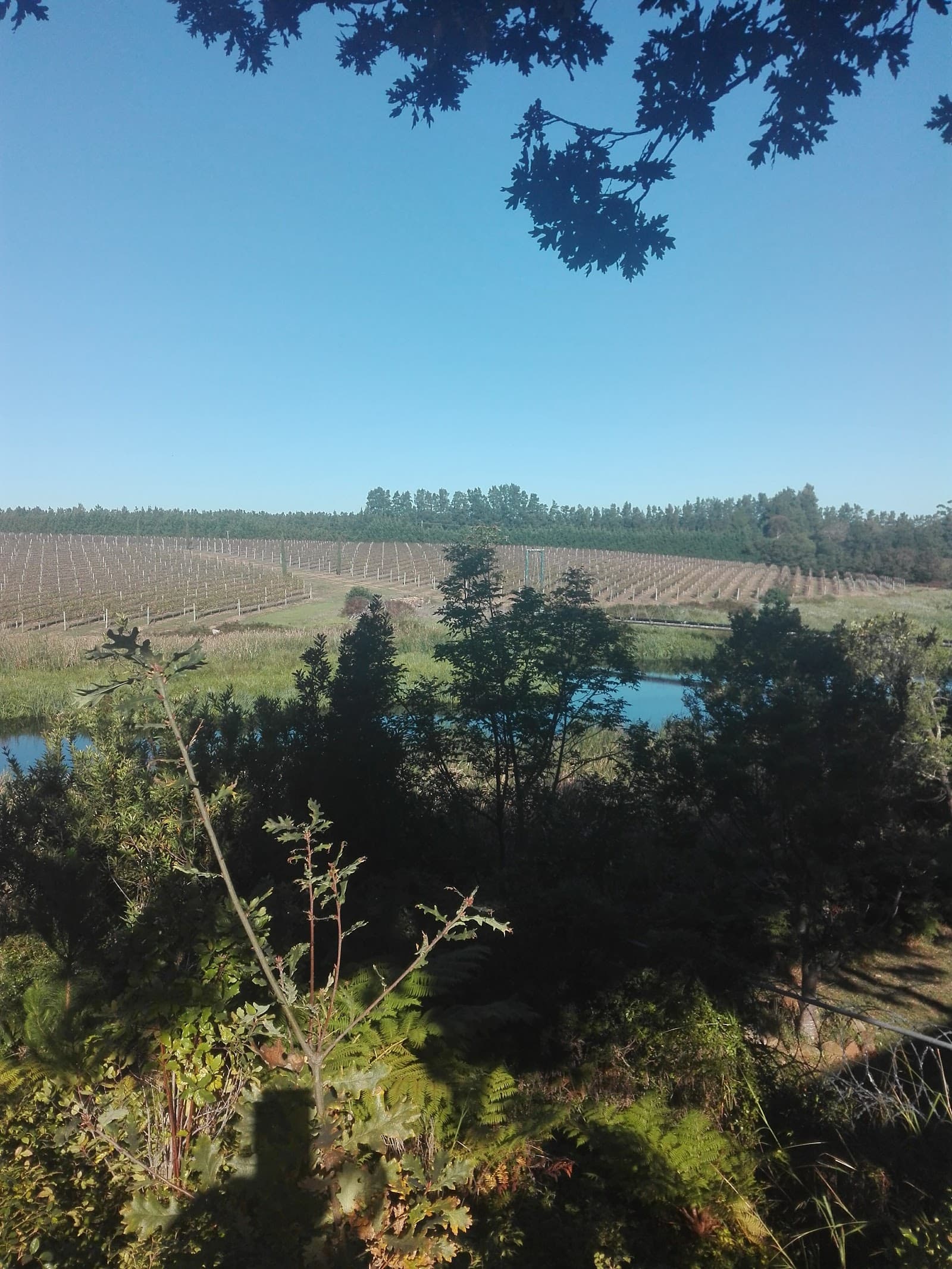
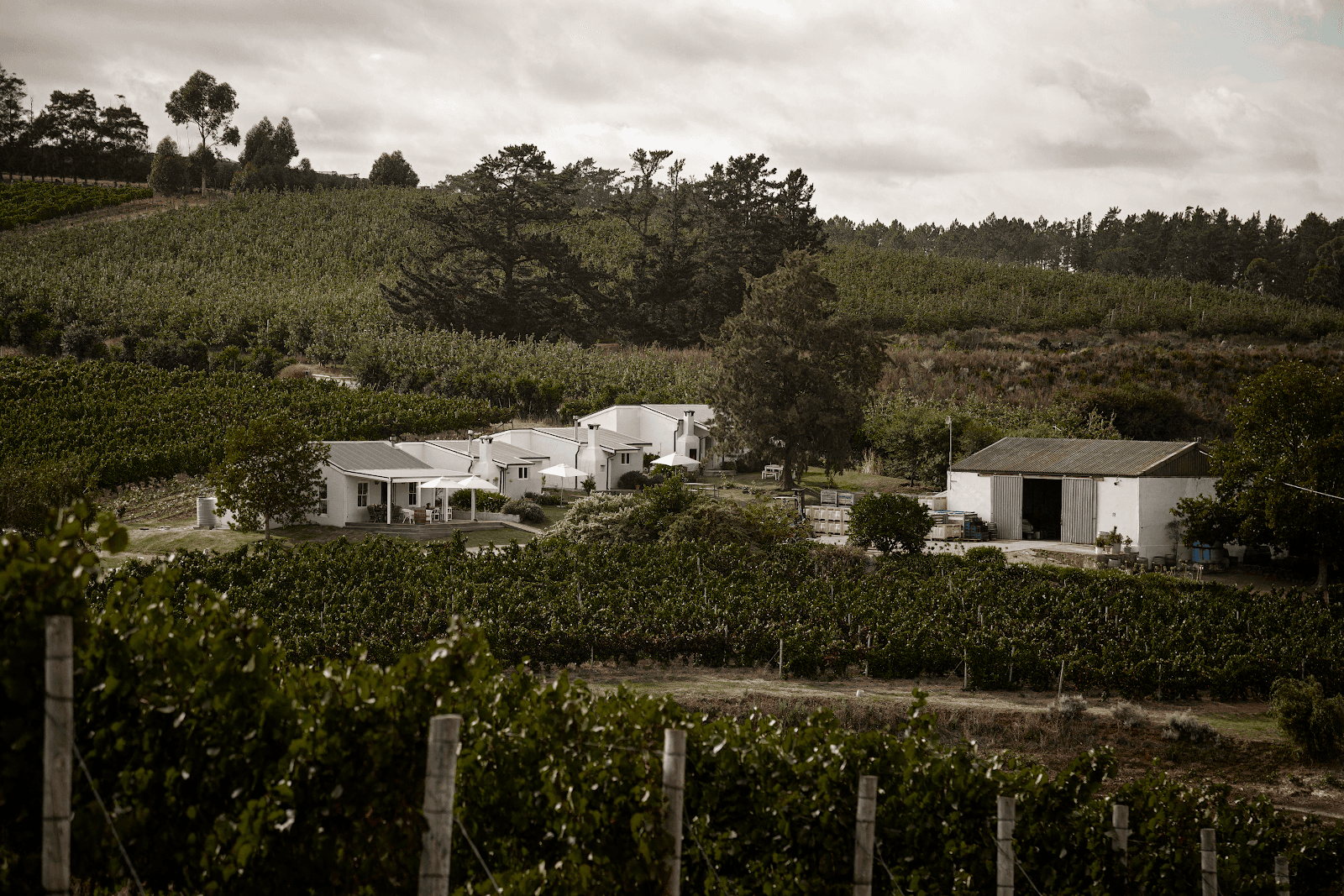
At the foot of the Groenlandberg Mountain Range, where apple orchards give way to cool-climate vineyards, Oak Valley Estate has been shaped by five generations of the Rawbone-Viljoen family. The story begins in 1898, when Sir Antonie Viljoen, a medical doctor who graduated from Edinburgh University, purchased the property in the Elgin Valley. Knighted by King George in 1916 for his efforts to reconcile Boers and Brits in the aftermath of the Anglo-Boer War, Sir Antonie also served as a Senator in the Cape Parliament. He planted the first of what would become four thousand oak trees on the estate, giving the farm its name.
For decades Oak Valley operated as a fruit farm, producing apples and pears in the cool Overberg climate. It was Anthony Rawbone-Viljoen, Sir Antonie's great-grandson, who recognised that the same conditions that made Elgin ideal for stone fruit could produce world-class wine. The first vines were planted in the late 1990s, focused on Pinot Noir, Chardonnay, and Sauvignon Blanc, varieties that thrive in Elgin's maritime-influenced climate where temperatures sit several degrees below the Cape Winelands average.
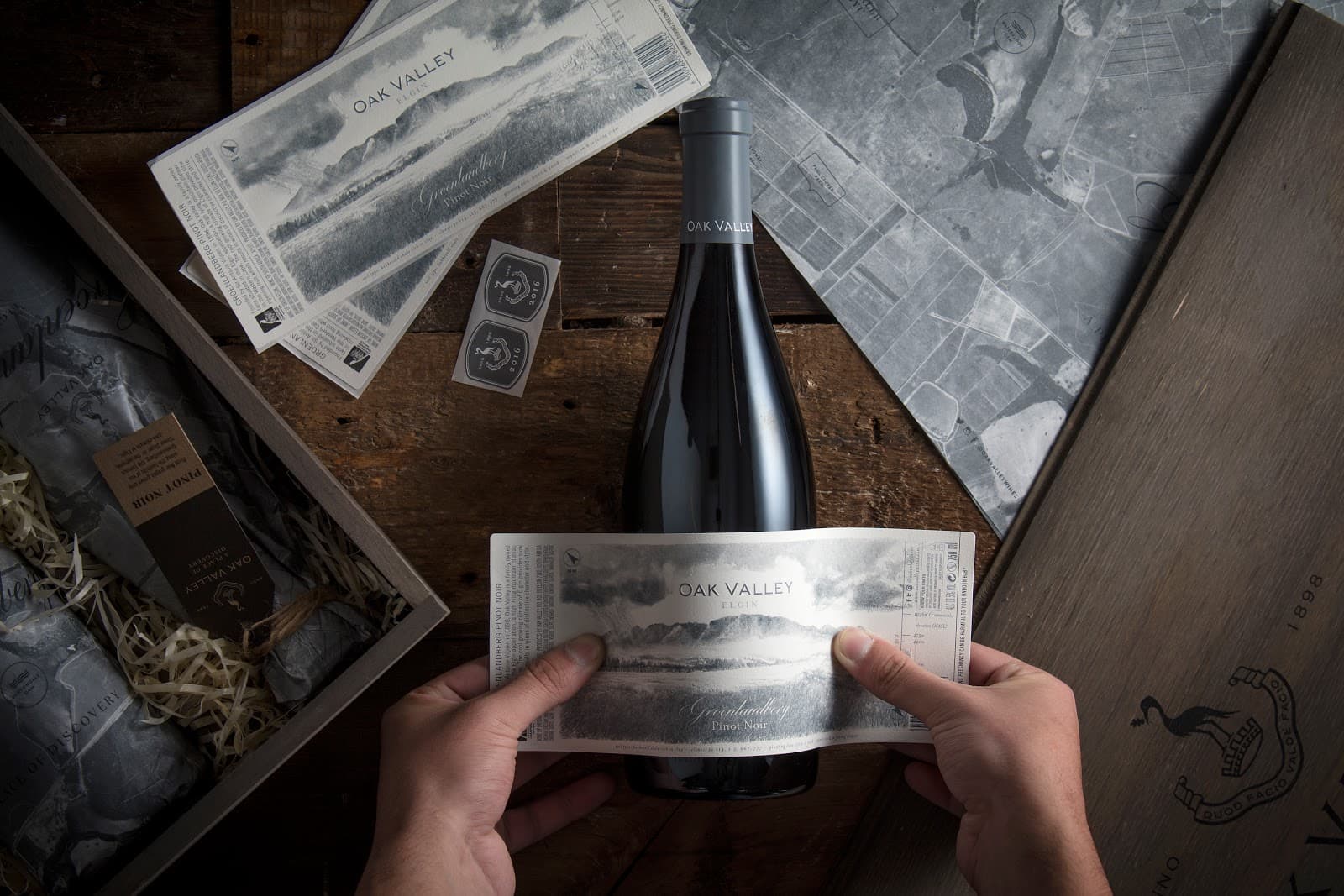
The debut 2003 Oak Valley Sauvignon Blanc earned four-and-a-half stars in Platter's on its first release, announcing the estate's arrival. In 2015, winemaker Quentin Gobregts joined from Margaret River in Australia, bringing a renewed focus on Pinot Noir and Chardonnay. Gobregts, a former chartered accountant who discovered a passion for cool-climate winemaking, introduced the Tabula Rasa range, single-vineyard, single-clone wines that have earned multiple Platter's five-star ratings. The name, Latin for "clean slate," speaks to the philosophy of letting each vineyard block express itself without preconception.
But Oak Valley is far more than a wine estate. Anthony Rawbone-Viljoen has built a diversified working farm that includes a free-range cattle herd, acorn-fed pigs, and a commercial cut-flower enterprise alongside the vineyards and remaining orchards. The first Oak Valley winemaker, Pieter Visser, was responsible for carving mountain bike trails through the property, which now host stages of the Absa Cape Epic and FNB Wines2Whales events. Three marked routes, blue, red, and black, wind through ancient oak forests, vineyards, orchards, and sub-clover pastures against the backdrop of the protected fynbos slopes of the Groenlandberg.
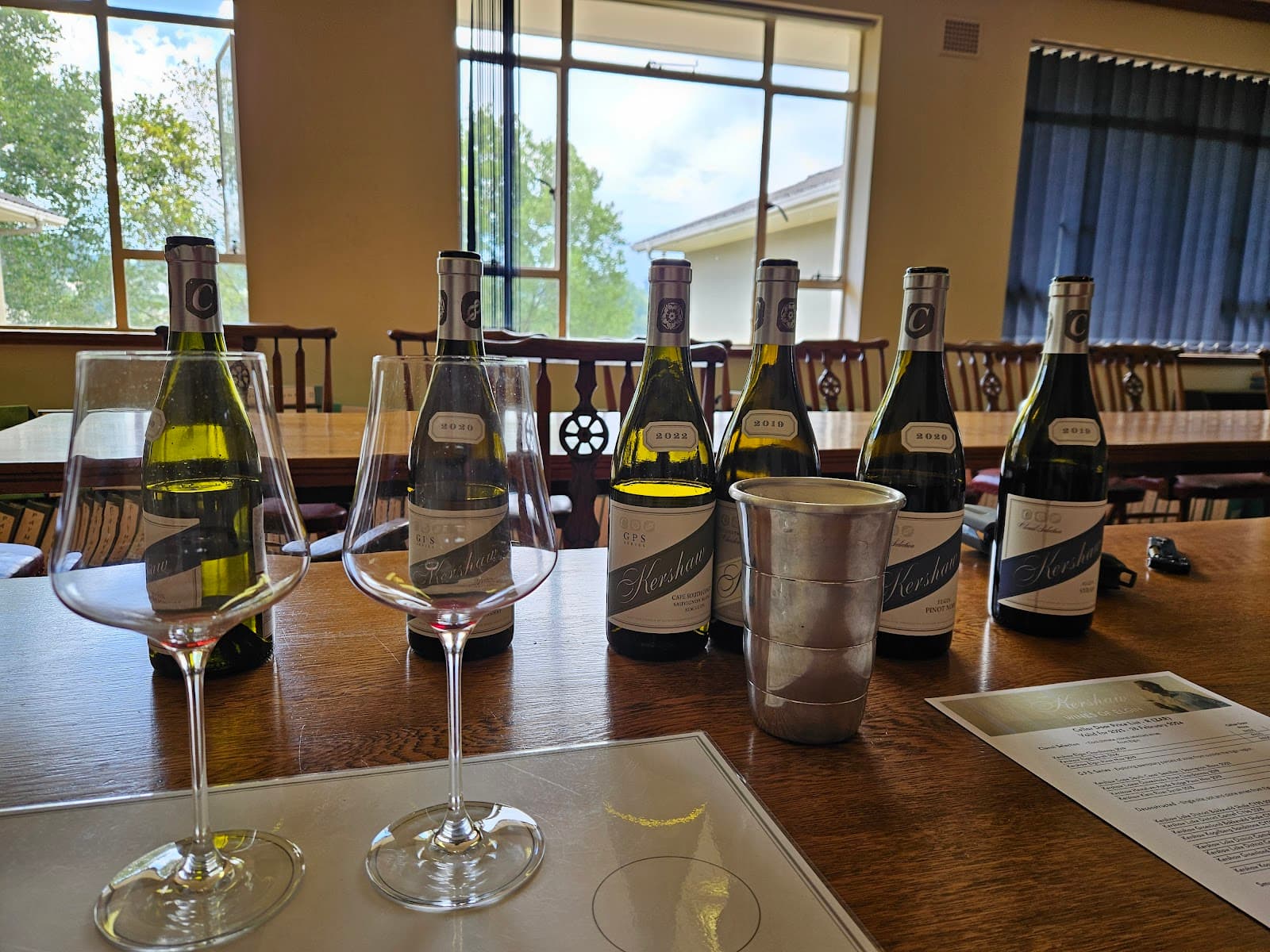
The Pool Room Restaurant, set within the estate grounds, serves contemporary country cuisine that draws on the farm's own produce. Wine tastings take place daily, offering visitors the chance to explore the full range from the approachable Fountain of Youth Sauvignon Blanc through to the flagship Tabula Rasa Pinot Noir and Chardonnay. It is a place where the heritage of five generations meets one of South Africa's most exciting cool-climate wine stories.
Five generations of Rawbone-Viljoen family ownership since 1898
Tabula Rasa single-vineyard wines with multiple Platter's 5-star ratings
Premier mountain biking destination hosting Absa Cape Epic and Wines2Whales stages
Diversified working farm with cattle, pigs, cut flowers, and orchards alongside vines
Four thousand heritage oak trees planted across the estate
Cool-climate Elgin terroir at the foot of the Groenlandberg Mountain Range
The Pool Room Restaurant serving farm-to-table country cuisine
Gourmet
Scenic
Boutique
Family Friendly
Adventure
The Winemaker
Quentin Gobregts
Quentin Gobregts joined Oak Valley in 2015 after working in Margaret River, Australia. A former chartered accountant who discovered a passion for cool-climate winemaking, Gobregts has focused on Pinot Noir and Chardonnay, introducing the acclaimed Tabula Rasa single-vineyard, single-clone range that has earned multiple Platter's five-star ratings.
Our Heritage
The story of Oak Valley Estate through the years
1898
Estate Founded
Sir Antonie Viljoen, Edinburgh-educated doctor and future Senator, purchases the property in the Elgin Valley.
1916
Sir Antonie Knighted
King George knights Sir Antonie Viljoen for reconciliation efforts between Boers and British after the Anglo-Boer War.
Late 1990s
First Vines Planted
Great-grandson Anthony Rawbone-Viljoen plants Pinot Noir, Chardonnay, and Sauvignon Blanc vines, transitioning from fruit farming.
2003
First Wine Released
The debut Oak Valley Sauvignon Blanc earns four-and-a-half stars in Platter's on its first release.
2015
Quentin Gobregts Appointed
Winemaker Quentin Gobregts arrives from Margaret River, Australia, introducing the Tabula Rasa single-vineyard range.
Sustainability
The estate maintains a balance between agriculture and conservation, with protected fynbos on the Groenlandberg slopes surrounding the vineyards and orchards. The diversified farming model, spanning wine, fruit, livestock, and flowers, reflects a long-term commitment to the health of the land.
Accreditations
PLATTERS 5 STAR (multiple, Tabula Rasa range)
Awards & Recognition
PLATTERS 5 STAR
Quick Facts
RegionElgin
Established1898
WinemakerQuentin Gobregts
Rating4.8 / 5
Wine Varietals4
Kid-Friendly
Wheelchair Accessible