Loading...
About Upland Organic Estate
Established in 1990
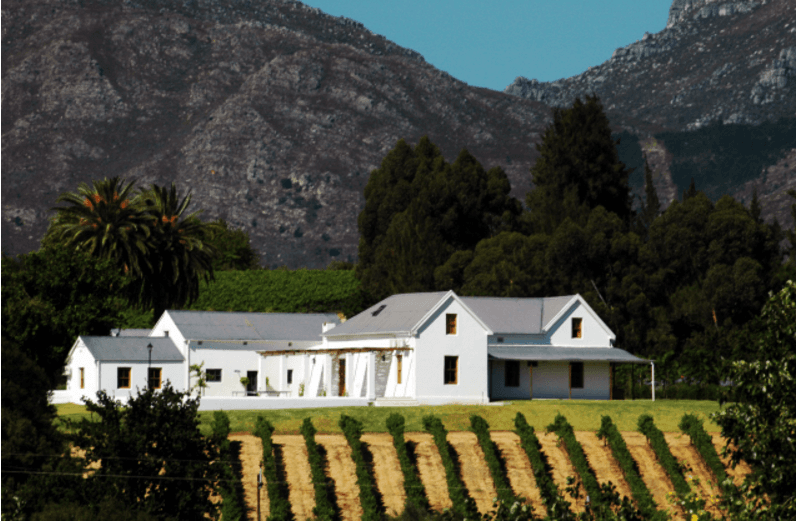
On the banks of the Spruit River outside Wellington, where the Hawequas mountains rise above a patchwork of orchards and vineyards, Upland Organic Estate has been quietly proving that organic farming and serious winemaking belong together. Edmund and Elsie Oettlé purchased the eighteenth-century Fisantekuil farm in 1990 with a vision that was radical for the time: to produce certified organic wine, brandy, and grappa in a South African industry that had barely heard the word.
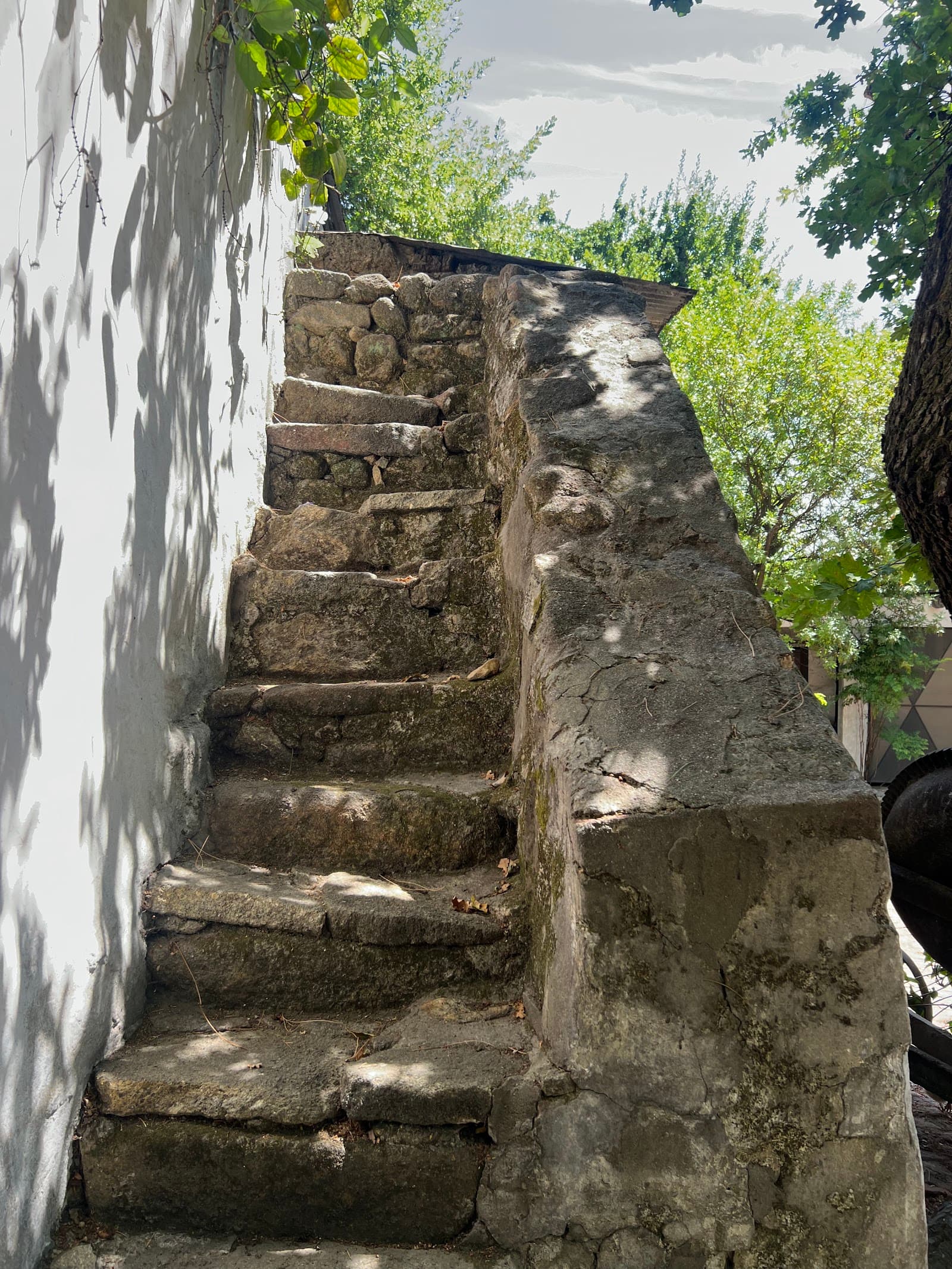
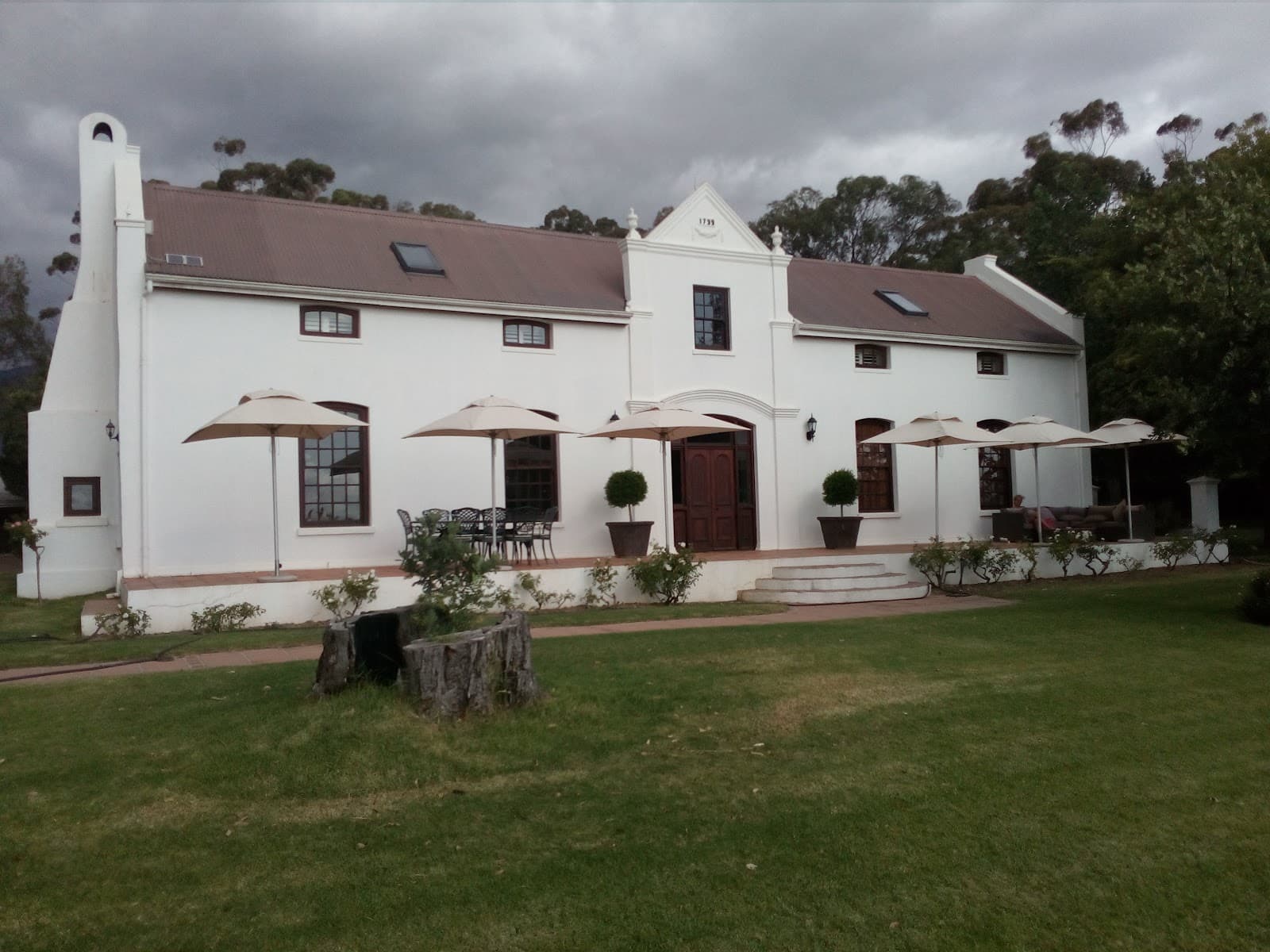
The property itself carries deep history. The original farmhouse dates to the early nineteenth century, and the farm once housed the first school in Wellington. But it was the Oettlés who transformed the land into something genuinely pioneering. Every vine, olive tree, and fruit orchard on the estate has been cultivated without synthetic pesticides, herbicides, or fertilisers, certified by the international body Ecocert since the earliest vintages.
Edmund Oettlé is a quiet perfectionist who does everything himself — viticulture, winemaking, distilling. His Cabernet Sauvignon, grown on Wellington's warm slopes and fermented with minimal intervention, has earned a devoted following among collectors and organic wine advocates alike. The estate also cultivates Pinot Noir, Chenin Blanc, and Colombard. But it is arguably in the still that Upland has made its most distinctive mark. Edmund produces South Africa's only certified organic brandy, a potstill spirit aged in French oak that has drawn comparisons to fine Cognac. His organic Grappa won the World's Best Grappa title at the Guldkorken International Competition in Stockholm, and the estate's Cape Tawny Port has been rated the best port in the Platter's South African Wine Guide.
Upland is not a showpiece estate. There is no grand tasting room or manicured garden. Tastings are by appointment only, conducted by the Oettlés themselves in their modest cellar. Visitors who make the effort are rewarded with an authentic, deeply personal encounter with a farming couple who grow their own olives, press their own olive oil, harvest their own nuts, and bottle every wine by hand. The farm also produces organic preserves and dried fruit.
The olive oil is cold-pressed from trees grown on the property, and the organic nuts and dried fruit reflect the same commitment to chemical-free cultivation that defines every aspect of the farm.
The estate sits at the quieter end of the Wellington wine route, away from the crowds, surrounded by mountain views and birdsong. It is a place where organic is not a marketing label but a way of life — practiced with conviction since before it was fashionable, and producing wines and spirits that have earned recognition on the world stage.
One of South Africa's oldest certified organic wine estates (Ecocert since 1990)
World's Best Grappa winner at the Guldkorken International Competition, Stockholm
South Africa's only certified organic brandy
Cape Tawny Port rated best port in the Platter's Wine Guide
Intimate, by-appointment tastings with the winemaker
Historic eighteenth-century Fisantekuil farm on the Spruit River
Holistic organic farm producing wine, spirits, olives, olive oil, nuts, and preserves
Gourmet
Scenic
Eco-Friendly
The Winemaker
Edmund Oettlé
Edmund Oettlé is the sole winemaker and distiller at Upland, handling every aspect of production from vine to bottle. A quiet perfectionist, he has been crafting certified organic wines, brandy, grappa, and port since 1990. His organic Grappa won the World's Best Grappa at the Guldkorken Competition in Stockholm, and he produces South Africa's only certified organic brandy.
Our Heritage
The story of Upland Organic Estate through the years
1990
Organic Farming Begins
Edmund and Elsie Oettlé purchase the historic Fisantekuil farm on the Spruit River and begin certified organic viticulture.
1990s
Ecocert Certification
The estate achieves Ecocert organic certification, becoming one of South Africa's first certified organic wine producers.
2000s
World's Best Grappa
Upland's organic Grappa wins the World's Best Grappa title at the Guldkorken International Competition in Stockholm.
2010s
Platter's Best Port
The Cape Tawny Port is rated the best port in the Platter's South African Wine Guide.
Sustainability
Upland has been certified organic by Ecocert since 1990, making it one of South Africa's longest-running organic wine estates. The entire farm operates without synthetic chemicals, extending beyond vines to olives, fruit orchards, and nut trees. The Oettlés practise holistic farming where biodiversity and soil health are prioritised as the foundation of wine quality.
Accreditations
Ecocert Organic Certification
World's Best Grappa — Guldkorken International Competition, Stockholm
Platter's Best Port
More in Wellington
Quick Facts
RegionWellington
Established1990
WinemakerEdmund Oettlé
Rating4.9 / 5
Wine Varietals7
Kid-Friendly