Loading...
About Robertson Winery
Established in 1941
In the quiet Robertson town of 1941, an abandoned missionary church stood empty on Voortrekker Road. Two local farmers, Giepie Rossouw and Alwyn Bruwer, saw in that disused building the seed of something larger. They rallied twenty-six scattered wine-growing families to pool their harvests, founding a cooperative winery in the old chapel itself. The first wine released carried the name Chapel — a tribute to the building that sheltered its creation.
That cooperative has grown into one of the largest wine producers in South Africa. Today Robertson Winery draws fruit from over 2,030 hectares of vineyards farmed by its member growers across the Breede River Valley, processing a staggering volume of grapes while maintaining a commitment to accessible, well-made wines at every price point. What began as a community survival strategy has become a global export brand, with Robertson wines sold in more than thirty countries.
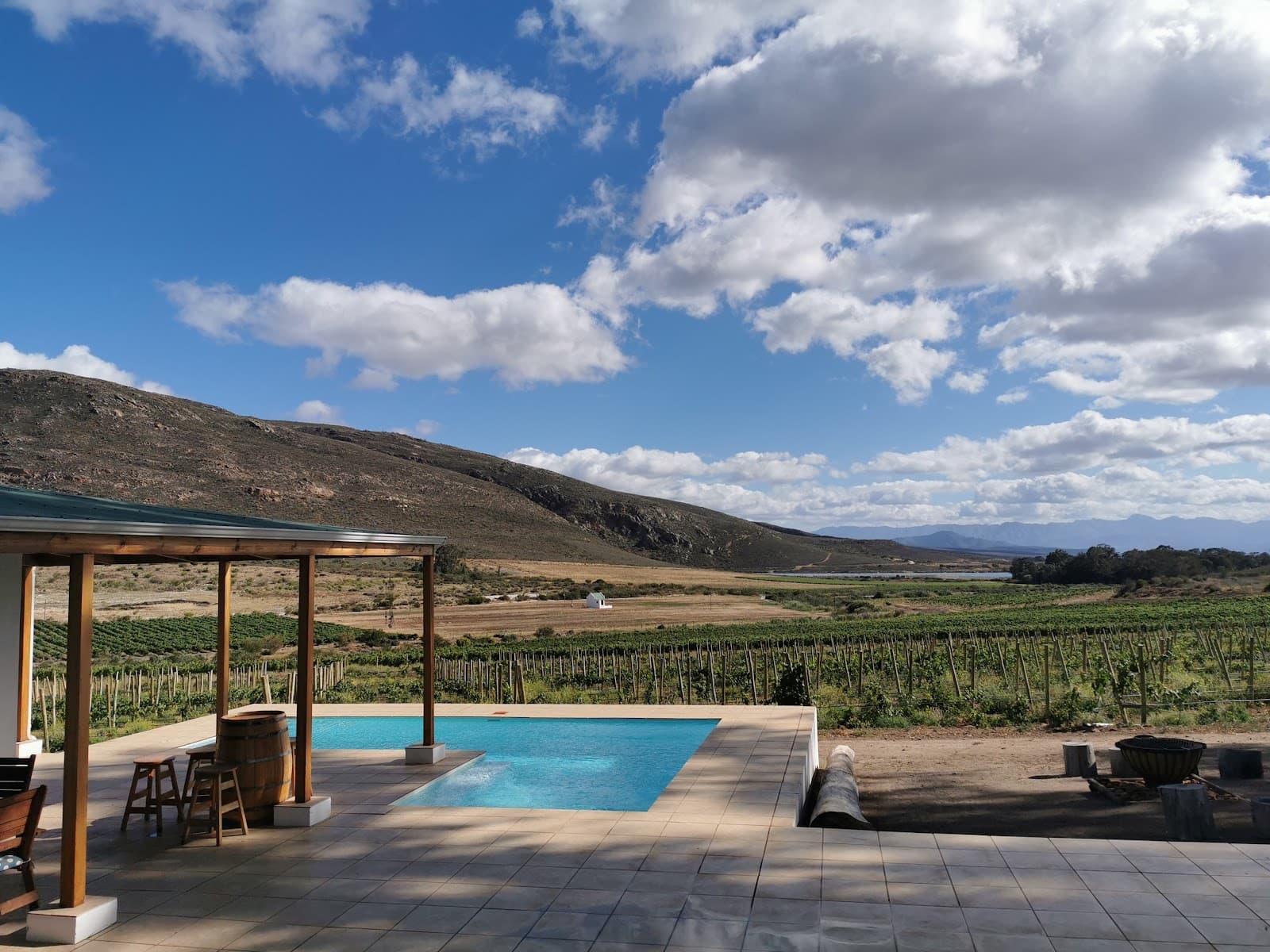
The Robertson Wine Valley sits roughly 160 kilometres east of Cape Town, sheltered by the Langeberg Mountains to the south and fed by the Breede River. The soils here are predominantly limestone-rich, contributing the minerality and freshness that define the region's best whites. Summer days are warm and dry, but cool breezes funnel through the valley each afternoon, preserving the natural acidity that makes Robertson Chardonnay and Chenin Blanc so appealing.
The winery's portfolio is vast, spanning everyday table wines through to premium reserve bottlings. The Natural Sweet Red — a fruity, low-alcohol crowd-pleaser — has become something of a South African icon, consistently ranking among the country's top-selling wines. But Robertson also produces serious Chardonnay, Pinotage, Cabernet Sauvignon, Shiraz, Sauvignon Blanc, and Chenin Blanc across multiple tiers. The Chapel range honours the winery's origins, while the Constitution Road series showcases what the valley's best sites can deliver.
The winemaking team is led by Francois Weich and Jacques Roux, both of whom have been with the cellar for over twelve years and understand Robertson terroir intimately. Their philosophy is uncomplicated: let the Breede River Valley fruit express itself clearly, make wine approachable at every level, and never lose sight of the cooperative's founding principle that good wine should be available to everyone.
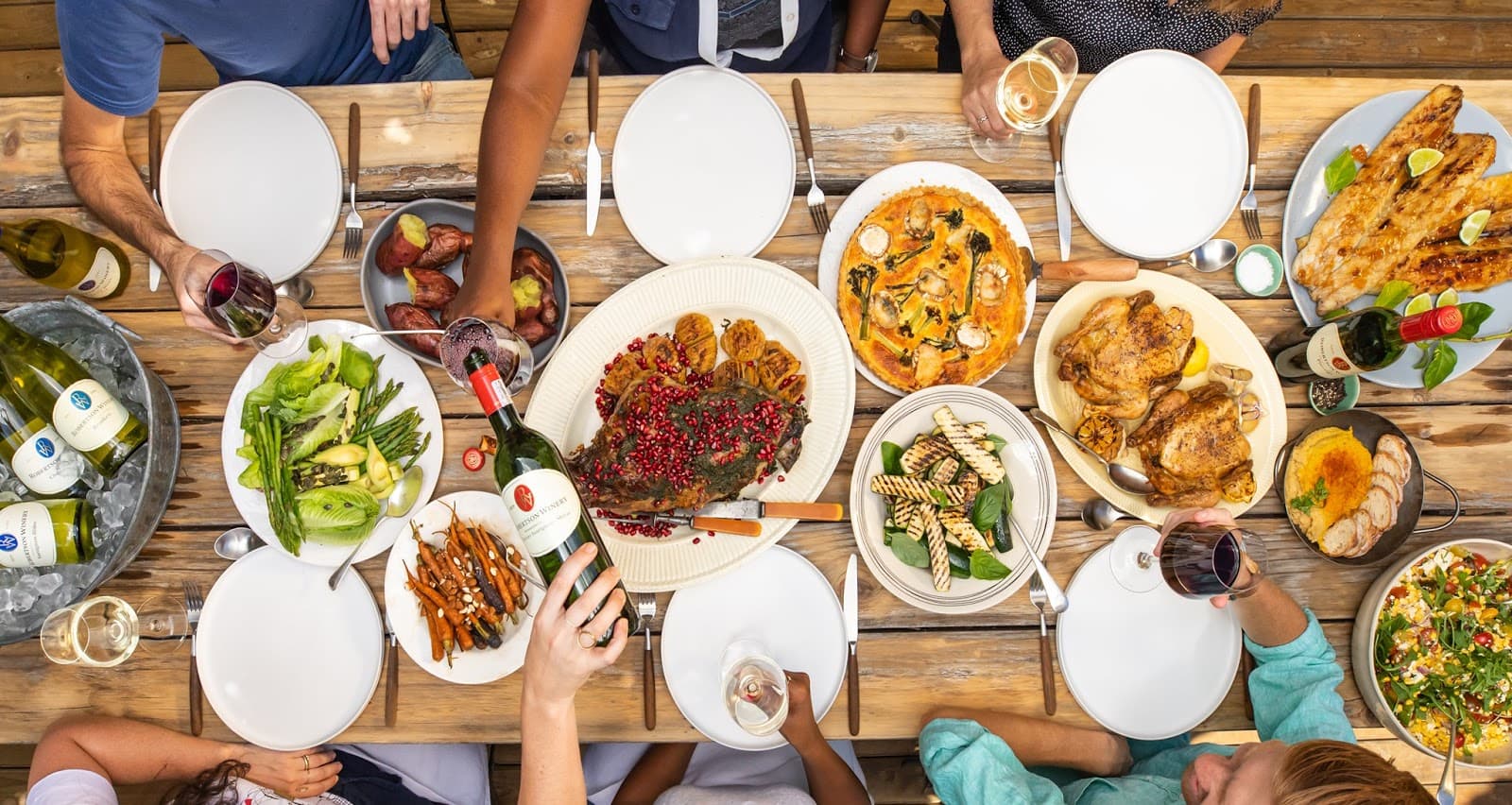
Visitors to the winery on Voortrekker Road in Robertson town find a modern tasting centre offering the full range, from crisp whites to full-bodied reds and dessert wines. Guided cellar tours reveal the scale of the operation — enormous tank farms and barrel halls — while food-and-wine pairings and cheese platters provide a more leisurely experience. The estate's on-site restaurant serves farm-style cuisine alongside estate wines, and a well-stocked gift shop carries the full portfolio plus local artisan products. The chapel that started it all may be long gone from daily use, but its spirit — community, generosity, shared endeavour — still runs through every bottle that carries the Robertson Winery name.
One of South Africa's largest cooperative wineries, founded in 1941
Draws fruit from over 2,030 hectares across the Robertson Wine Valley
The iconic Natural Sweet Red is one of South Africa's top-selling wines
Chapel range pays tribute to the abandoned missionary church where it all began
Exported to more than thirty countries worldwide
On-site restaurant, cellar tours, gift shop, and wedding venue
Award-Winning Wines
Cosy & Comfortable
Relaxed
Romantic
Family Friendly
The Winemaker
Francois Weich & Jacques Roux
The cellar is guided by Francois Weich and Jacques Roux, both of whom have been with Robertson Winery for over twelve years. Their deep familiarity with the Breede River Valley's limestone soils and warm climate allows them to coax freshness and fruit purity from an enormous portfolio spanning everyday whites to premium reserve reds.
Our Heritage
The story of Robertson Winery through the years
1941
Cooperative Founded
Giepie Rossouw and Alwyn Bruwer unite 26 farming families and establish the cooperative winery in an abandoned missionary church on Voortrekker Road.
1941
Chapel Wine Released
The first wine is named Chapel in tribute to the missionary church building that housed the young cooperative.
1970s
Export Growth
Robertson Winery begins exporting, building the international presence that now spans more than thirty countries.
2000s
Modern Tasting Centre
A new tasting facility and visitor experience is developed on Voortrekker Road, adding a restaurant, cellar tours, and gift shop.
Who Is This For?
Private Events
Families with Young Kids
Large Groups
Medium Groups
Small Groups
Couples
More in Robertson
Quick Facts
RegionRobertson
Established1941
WinemakerFrancois Weich & Jacques Roux
Rating4.4 / 5
Wine Varietals6
Kid-Friendly
Views & Setting
Cellar
Valley