Loading...
Hemel En Aarde
Cool-Climate Artisan
Seven Springs Vineyard
Seven Springs Vineyard — Syrah and more in Hemel En Aarde
4.7(66 reviews)
Est. 2006Winemaker: Riana van der MerweAbout Seven Springs Vineyard
Established in 2006
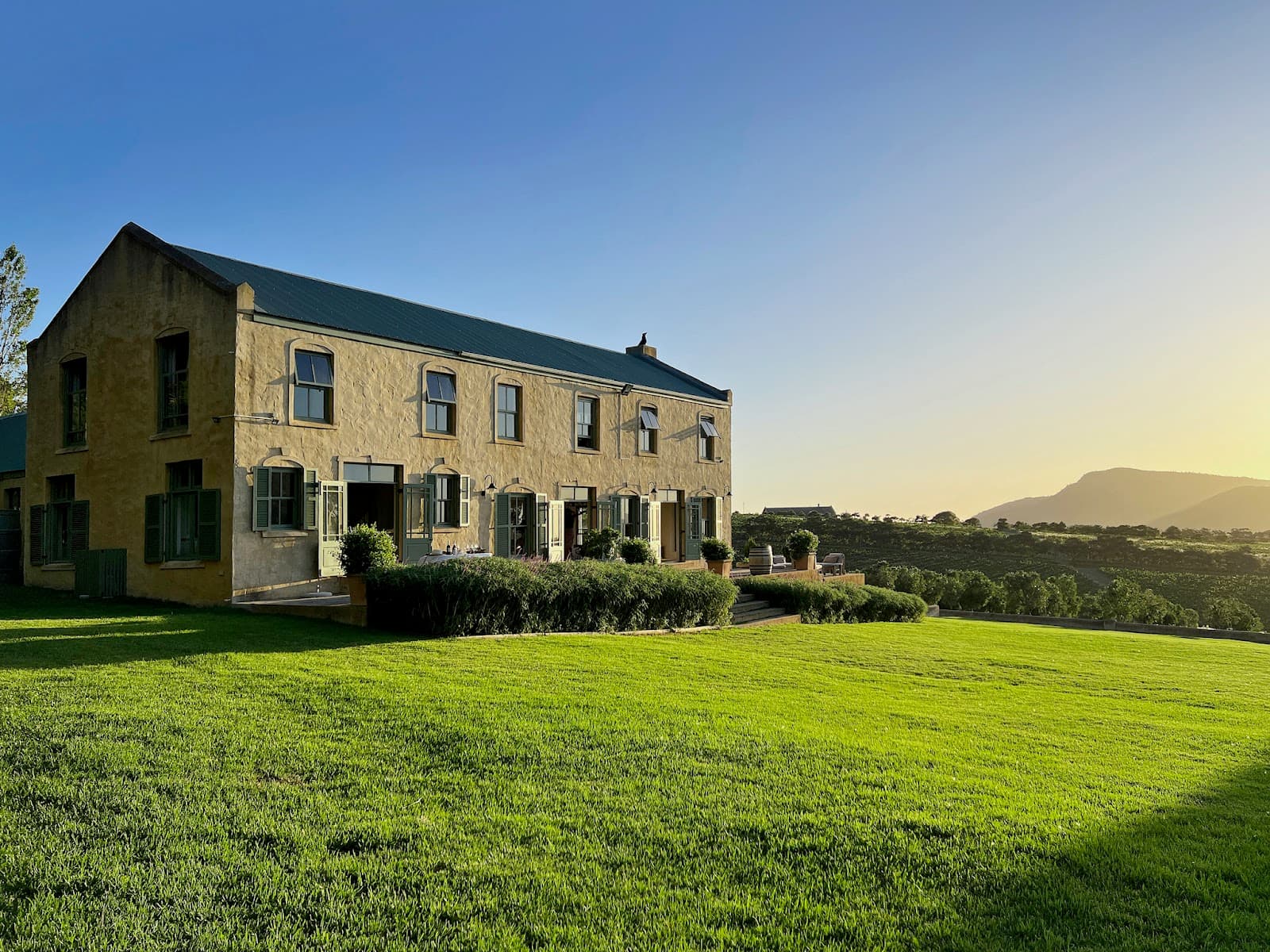
Between the spa town of Caledon and the seaside village of Hermanus, along the picturesque R320, Seven Springs Vineyard occupies a stretch of land that was once used for nothing more than grazing cattle. Today, nearly 12 hectares of vines grow on shale-derived soils at the meeting point of two mountain ranges, producing some of the Overberg's most expressive cool-climate wines.
The estate is the creation of brothers Vaughan and Tim Pearson. Tim, originally trained as an agronomist, and Vaughan built a successful contract cleaning business in the United Kingdom, which gave them the means to pursue a winemaking dream on the other side of the world. They planted their first vines in 2008, after purchasing the Sandfontein Farm property in 2006. It took two years of soil preparation and site selection before a single vine went into the ground.
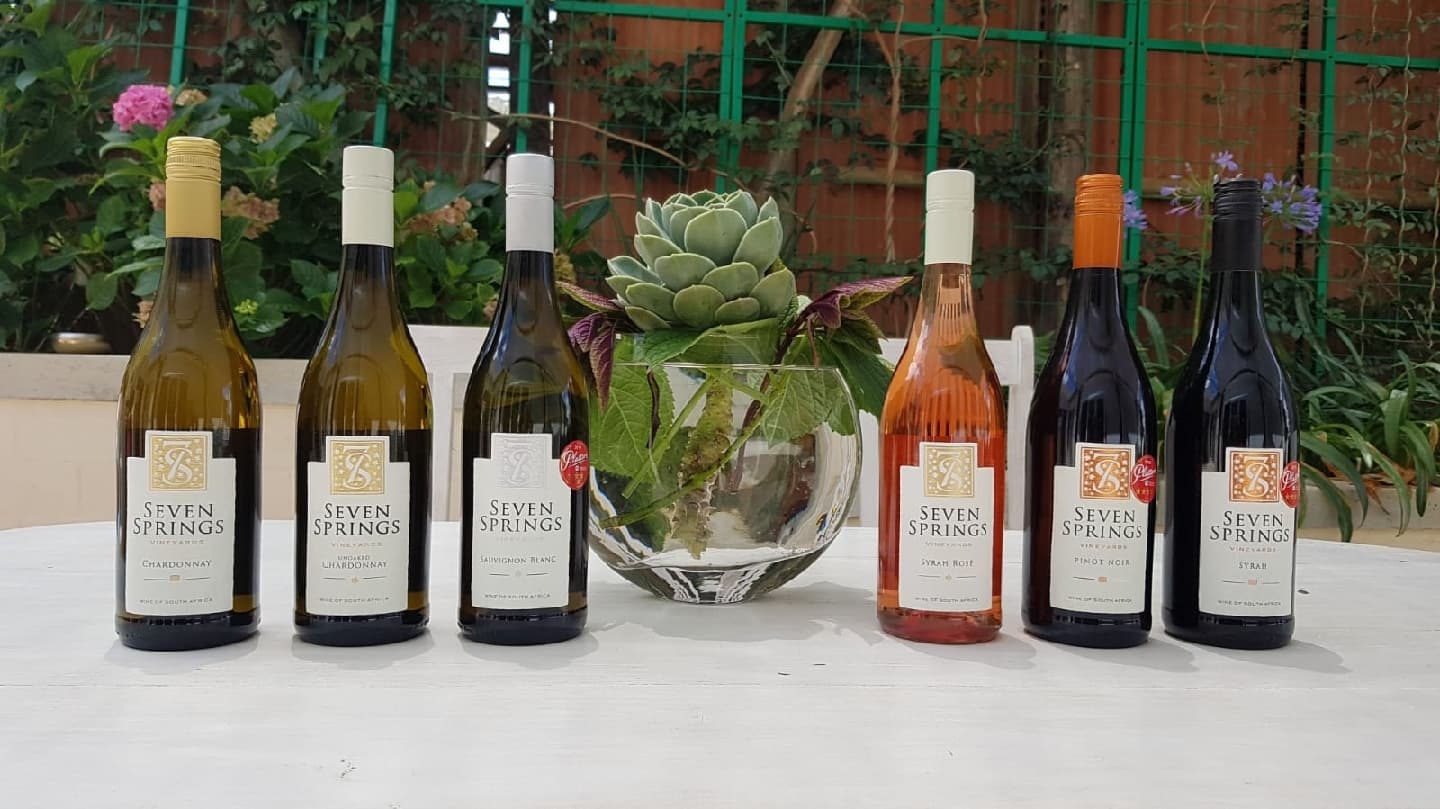
The inaugural wines were made in 2010, when winemaker Riana van der Merwe joined the project for the first vintage. The focus from the outset was on four grape varieties suited to the cool maritime climate: Pinot Noir, Chardonnay, Syrah, and Sauvignon Blanc. Shaw's Mountain rises to the north and the Teslaarsdal Mountains to the south, funnelling cool Atlantic breezes through the valley and ensuring slow, even ripening — the key to the natural acidity and finesse that define Seven Springs wines.
In 2018, the Pearsons built their own winery at Sandfontein Farm, just one kilometre from the vineyard, giving them complete control over the winemaking process. The wines have since earned praise from critics including Tom Cannavan, who highlighted their elegance and site expression. Seven Springs Syrah, in particular, has drawn attention for its peppery, cool-climate character — a world away from the rich, warm-climate Shiraz of Stellenbosch or Paarl.
Sustainability runs through the operation. The Pearsons use minimal pesticides and fertilisers, allowing the shale soils and maritime influence to speak through the wines without interference. The Pinot Noir, in particular, shows the delicacy and red-fruit purity that only comes from genuinely cool sites, while the Chardonnay offers citrus and mineral complexity without the heaviness that warm climates can impose.
The tasting room is a relaxed, intimate space where visitors can sample the full range while taking in views of the surrounding mountains and vineyards. Tastings are offered at R120 per person, and the boutique scale means the experience is personal rather than production-line. It is a place that rewards the journey along the R320 — a winery where cool-climate precision meets genuine warmth of welcome, and where every bottle tells the story of a landscape transformed from cattle pasture to one of the Overberg's most promising vineyard sites.
Cool-climate Overberg terroir on ancient shale soils between two mountain ranges
Specialist in Pinot Noir, Chardonnay, Syrah, and Sauvignon Blanc
Own winery built in 2018 — complete estate control from vine to bottle
Praised by critics for elegance, finesse, and cool-climate Syrah
Sustainable farming with minimal chemical inputs
Intimate tasting room on the scenic R320 between Caledon and Hermanus
Gourmet
Scenic
Boutique
The Winemaker
Riana van der Merwe
Riana van der Merwe joined Seven Springs for the inaugural 2010 vintage and has shaped the estate's cool-climate style from the start. Her winemaking emphasises minimal intervention and natural acidity, allowing the shale soils and maritime influence of the Overberg to express themselves fully in the glass.
Our Heritage
The story of Seven Springs Vineyard through the years
2006
Property Purchased
Brothers Vaughan and Tim Pearson purchase Sandfontein Farm on the R320 between Caledon and Hermanus.
2008
First Vines Planted
After two years of soil preparation, the first Pinot Noir, Chardonnay, Syrah, and Sauvignon Blanc vines are planted on shale soils.
2010
Inaugural Vintage
Winemaker Riana van der Merwe joins for the first harvest, producing Seven Springs' debut wines.
2018
Own Winery Built
The Pearsons build their own winery at Sandfontein Farm, one kilometre from the vineyard, gaining complete winemaking control.
Sustainability
The Pearsons farm with minimal pesticides and fertilisers, prioritising soil health and biodiversity across the nearly 12-hectare vineyard. The goal is to let the shale terroir and maritime climate define the wines naturally.
More in Hemel En Aarde


Quick Facts
RegionHemel En Aarde
Established2006
WinemakerRiana van der Merwe
Tasting FeeR120
Rating4.7 / 5
Wine Varietals4