Loading...
Constantia
Historic Prestige
Constantia Wine Route
Constantia Wine Route — Crafting wines since 1726
4.8(13 reviews)
Est. 1685About Constantia Wine Route
Established in 1685
The Constantia Wine Route is where South African winemaking began. In 1685, Simon van der Stel, first Governor of the Cape, selected this lush valley at the foot of Table Mountain as the site for his personal estate, Constantia. He chose well. The valley's unique microclimate -- cooled by ocean breezes sweeping in from False Bay and sheltered by the Constantia mountain range -- proved ideal for growing grapes. On Van der Stel's death, the original Constantia farm was subdivided into three portions: Groot Constantia, Klein Constantia and Bergvliet. The first two remain working wine farms to this day.
By the eighteenth century, Constantia's sweet wines had achieved extraordinary international fame. Napoleon Bonaparte is said to have requested Constantia wine during his exile on St Helena. The wines graced the tables of European royalty and were praised by Jane Austen in Sense and Sensibility. This is not marketing folklore -- it is documented history, and it places the Constantia Wine Route as the oldest wine route in the southern hemisphere.
Today the route comprises around ten member farms, each with distinctive heritage and premium wines. Groot Constantia, the oldest wine farm in South Africa, is a provincial heritage site with a museum, two restaurants and a full tasting programme. Klein Constantia produces the iconic Vin de Constance, a sweet wine that revives the eighteenth-century style that so captivated Napoleon. Buitenverwachting, originally part of Van der Stel's Constantia, offers fine dining and acclaimed Bordeaux-style reds. Steenberg, the Cape's first farm from 1682, combines a boutique hotel, golf course, and distinguished Sauvignon Blanc programme. Eagles' Nest is known for its Shiraz and relaxed lawns. Constantia Glen, Beau Constantia, Constantia Uitsig, High Constantia and Constantia Royale complete the collection.
What unites these farms is the Constantia terroir: ancient decomposed granite and sandstone soils, a south-facing aspect that catches maritime moisture, and a growing season that is consistently cooler and longer than the inland valleys. Sauvignon Blanc is the signature grape of the valley, producing wines of particular intensity and minerality, though the estates collectively cover everything from Bordeaux blends to Methode Cap Classique.
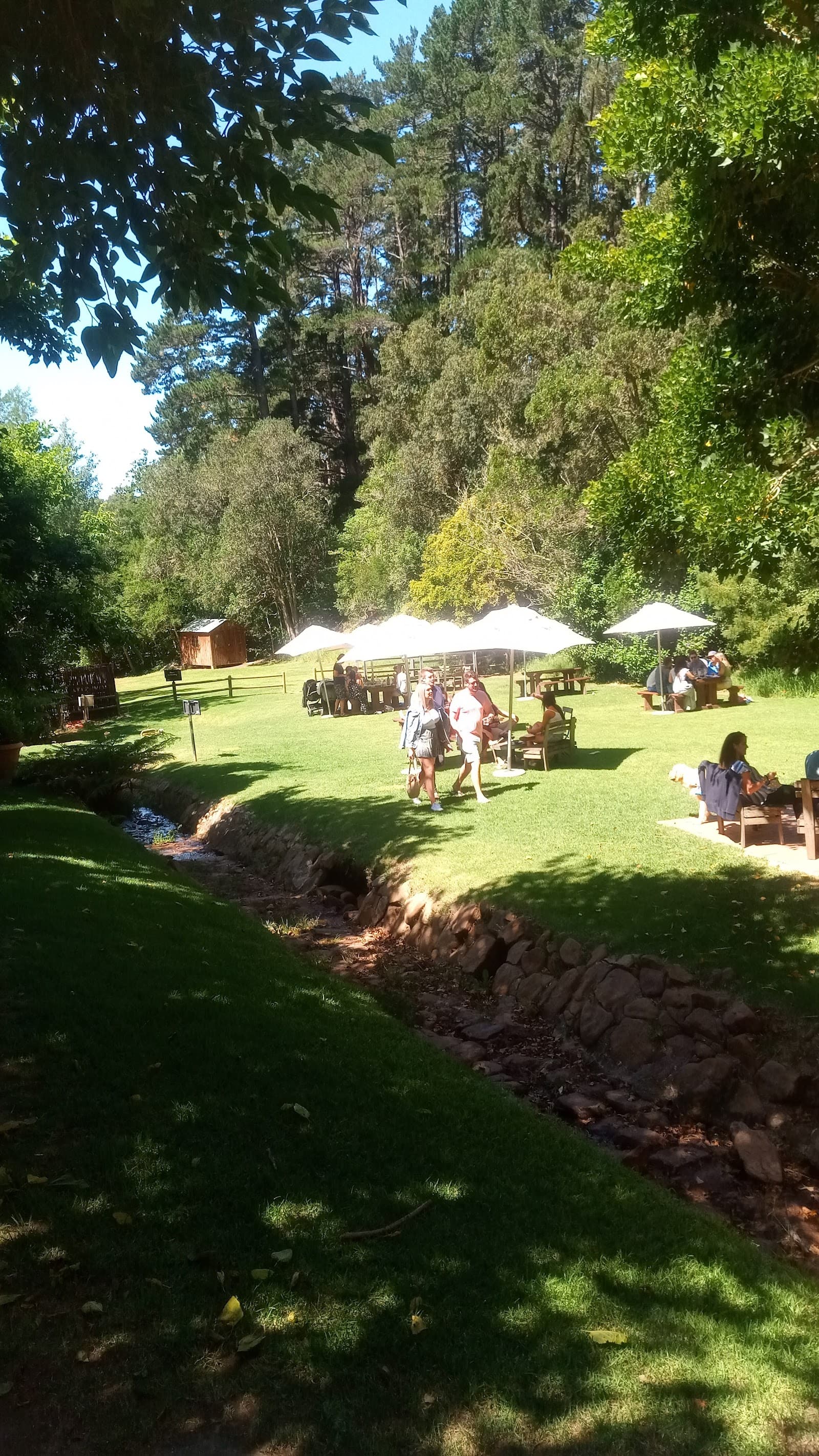
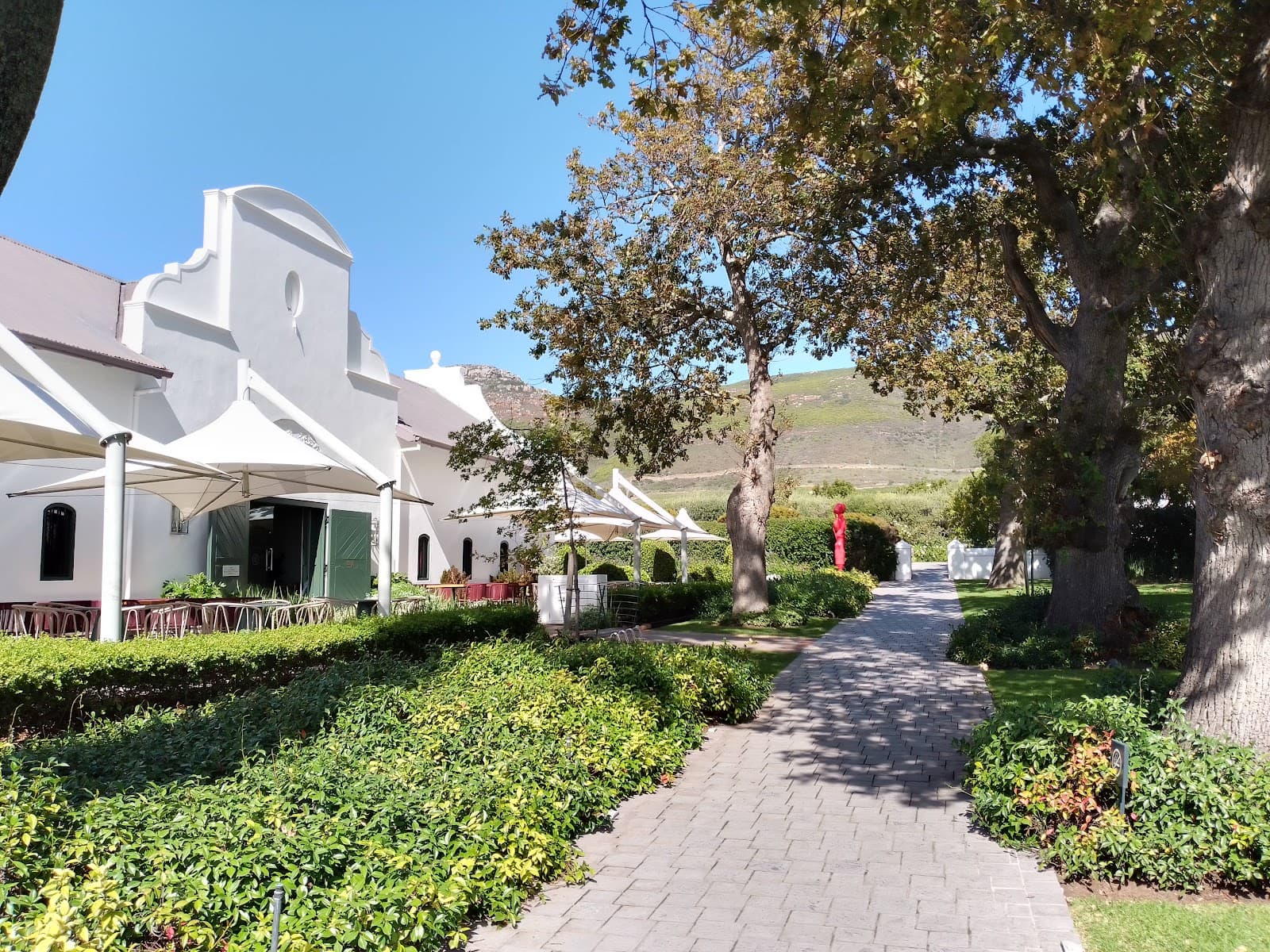
The route sits just fifteen minutes from Cape Town's city centre, making it the most accessible wine region in the Western Cape. Visitors can drive between estates in minutes, walking trails connect several farms, and the lush vineyards, oak-lined avenues, and white-washed Cape Dutch homesteads create a landscape that feels centuries removed from the city. The Constantia Wine Route is both the cradle of South African wine and a living, evolving collection of estates that continue to produce wines of world-class quality.
Trail of boutique wineries & estates with tasting rooms & restaurants, set in a lush valley.
Oldest wine route in the southern hemisphere, dating to 1685
Napoleon Bonaparte and Jane Austen connections to Constantia wines
Around ten member farms, each with distinctive heritage and premium wines
Cool maritime microclimate producing Sauvignon Blanc of particular intensity
Just fifteen minutes from Cape Town city centre
Groot Constantia -- South Africa's oldest wine farm and provincial heritage site
Klein Constantia's Vin de Constance revives the historic sweet wine style
Historic
Scenic
Elegant
Gourmet
Our Heritage
The story of Constantia Wine Route through the years
1685
Simon van der Stel Founds Constantia
The first Governor of the Cape establishes his personal wine estate, Constantia, at the foot of Table Mountain.
1700s
International Fame
Constantia's sweet wines achieve renown across Europe, enjoyed by Napoleon Bonaparte and praised by Jane Austen.
1712
Estate Subdivision
After Van der Stel's death, the original Constantia farm is subdivided into Groot Constantia, Klein Constantia and Bergvliet.
1980s
Route Formalised
The Constantia Wine Route is formally established, uniting the valley's estates under a single tourism brand.
More in Constantia
Quick Facts
RegionConstantia
Established1685
Rating4.8 / 5
Wine Varietals1