Loading...
Tulbagh
Historic Legacy
Montpellier Wine Estate
Montpellier Wine Estate — Crafting wines since 1714
4.3(525 reviews)
Est. 1714About Montpellier Wine Estate
Established in 1714
Montpellier Wine Estate is one of the oldest farms in the Cape, granted to Huguenot refugee Jean Imbert by Governor Maurits Pasques de Chavonnes in 1714. Imbert and his companion Jacques Theron had arrived in Table Bay in 1688, fleeing religious persecution in France. Before seeking refuge in the Tulbagh valley, they had lived near the historic city of Montpellier in southern France — and when Imbert finally held the deed to his own land, he gave it the name of the place he had left behind.
The farm was used initially for grazing cattle, but vines were planted shortly after the original Cape Dutch homestead was built around 1815. The first serious winemaking experiments replaced Cinsaut with Clairette Blanche, Colombard, Riesling, and Chenin Blanc. Innovation came early: the winemaker pioneered the use of CO2 to reduce oxidation, regulated fermentation temperatures with cold running water, and introduced small picking boxes to keep grapes cool. In 1967, a thousand bottles of Riesling were hand-bottled, corked, and laid down for maturation. The 1971 Riesling, matured for eighteen months, became the first wine to receive a Gold Superior classification — a milestone in Tulbagh winemaking.
After Jean Imbert's death in 1723, the farm changed hands several times before being acquired by Jacques Theron's descendants in the 1880s. The Theron family held it for a century. On September 29, 1969, a devastating earthquake levelled the Tulbagh valley, destroying the original Cape Dutch homestead. De Wet Theron painstakingly restored the ancestral home, preserving its structural heritage.
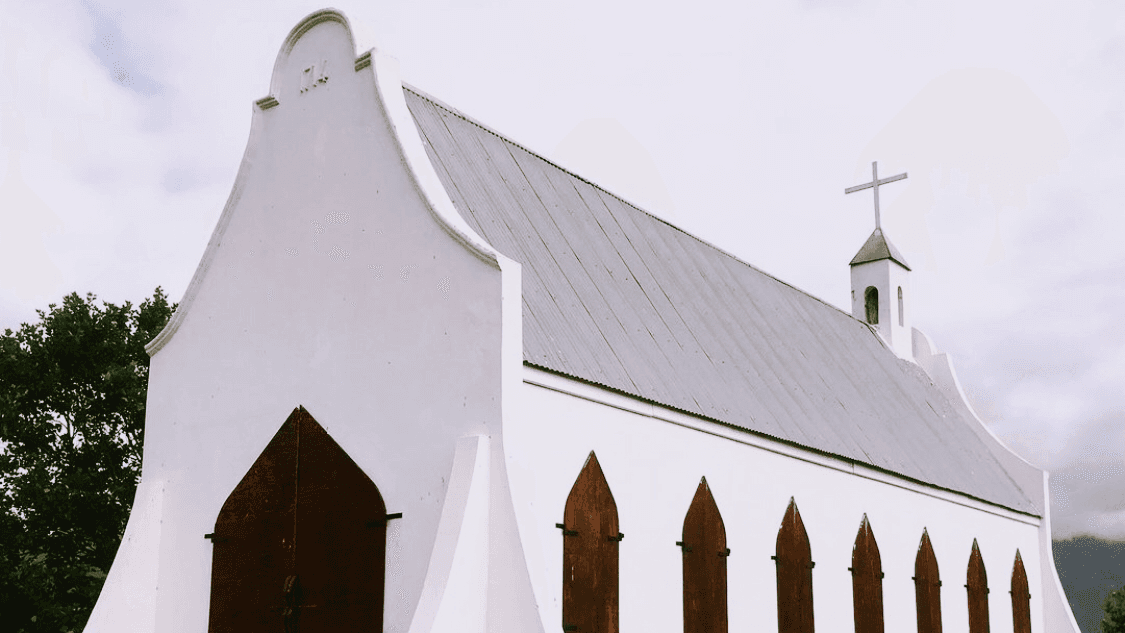
In 2001, Johannesburg advocate Lucas van Tonder saw the farm's potential and purchased it, embarking on a massive restoration that stayed true to the original Cape Dutch design. Today Montpellier produces a wide range of estate wines — Cabernet Sauvignon, Shiraz, Pinot Noir, Chardonnay, Chenin Blanc, Viognier, Semillon, MCC Brut and MCC Rose — under the Spyseniersberg label for its premium blends. The estate's hillside chapel and Cape Dutch homestead make it one of the most sought-after wedding venues in the Winelands. Self-catering cottages and manor house bed-and-breakfast accommodation allow visitors to stay among the vineyards, surrounded by three mountain ranges and the tranquil beauty of the Tulbagh valley.
Established 1714 — one of the oldest farms in the Cape
Huguenot heritage — named after the French city by refugee Jean Imbert
First Gold Superior classification for the 1971 Riesling
Hillside chapel and Cape Dutch homestead — premier Winelands wedding venue
Spyseniersberg premium blends — flagship red and white
MCC Brut and Rose — Methode Cap Classique sparkling wines
Gewurztraminer vines over forty years old
Three mountain ranges encircling the Tulbagh valley
Award-Winning Wines
Heritage Estate
Elegant & Stylish
Gourmet
Historic
Elegant
Romantic
Scenic
Family Friendly
The Winemaker
Montpellier's winemaking team draws on three centuries of viticultural knowledge in the Tulbagh valley. All grapes are grown on the estate's own vineyards, including Gewurztraminer vines over forty years old. The approach honours traditional methods — hand-picking, careful temperature control, and extended maturation — while embracing modern techniques to produce consistently award-winning wines.
Our Heritage
The story of Montpellier Wine Estate through the years
1714
Farm Granted to Jean Imbert
Governor Maurits Pasques de Chavonnes grants the land to Huguenot refugee Jean Imbert, who names it after the French city of Montpellier.
1967
First Bottled Vintage
One thousand bottles of Riesling are hand-bottled and laid down. The 1971 vintage becomes the first to receive a Gold Superior classification.
1969
Tulbagh Earthquake
A devastating earthquake destroys the original Cape Dutch homestead. De Wet Theron restores the ancestral home, preserving its heritage.
2001
Lucas van Tonder Acquires Estate
Johannesburg advocate Lucas van Tonder purchases Montpellier and begins a comprehensive restoration true to the original Cape Dutch design.
Who Is This For?
Weekend Getaways
Families with Young Kids
Families with Teens
Large Groups
Couples
Weddings
Romantic Occasions

Quick Facts
RegionTulbagh
Established1714
Rating4.3 / 5
Wine Varietals12
Kid-Friendly
Views & Setting
Gardens / Lawns
Valley
Mountains