Loading...
About Babylonstoren Wine Estate
Established in 1692
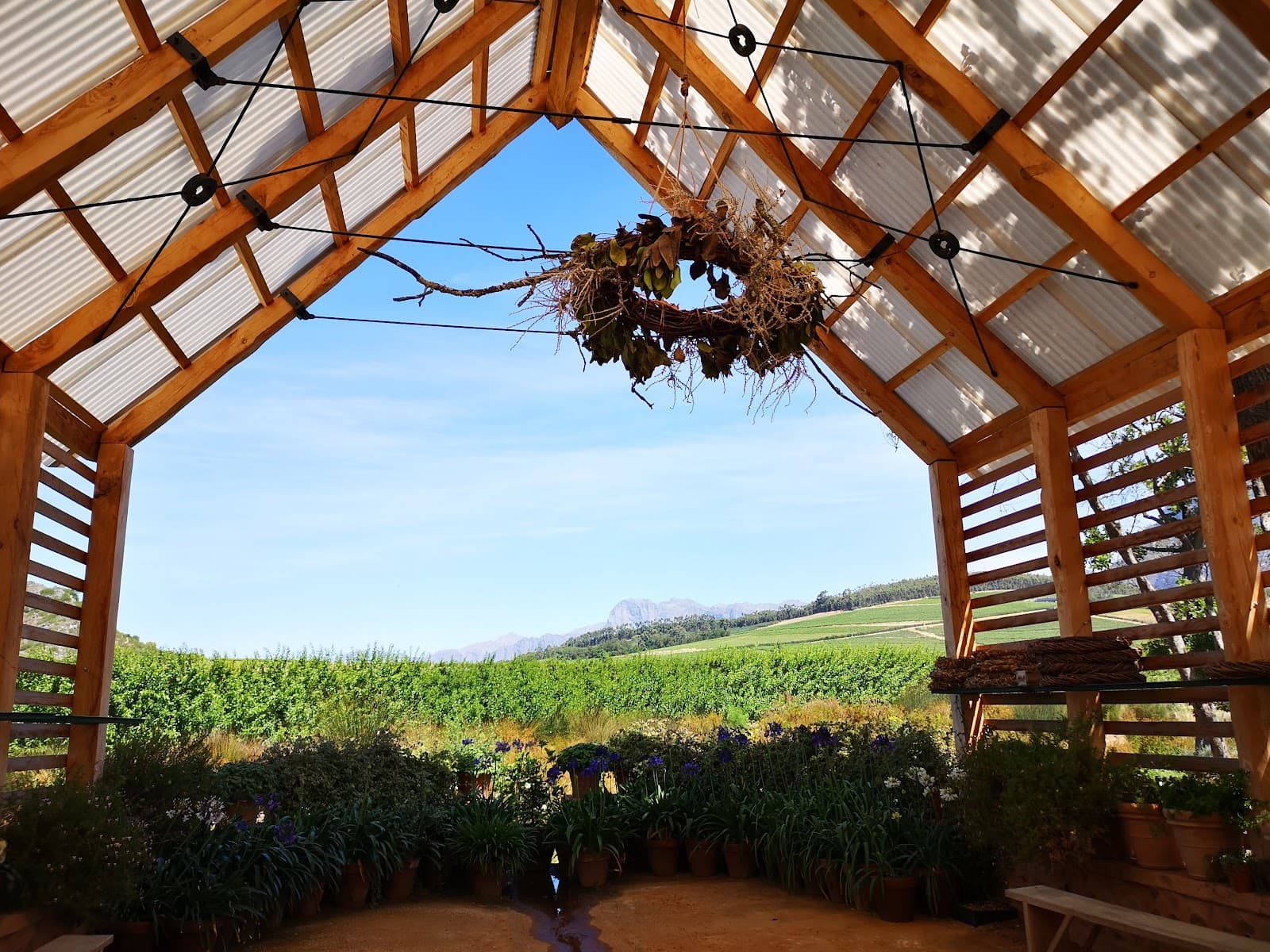
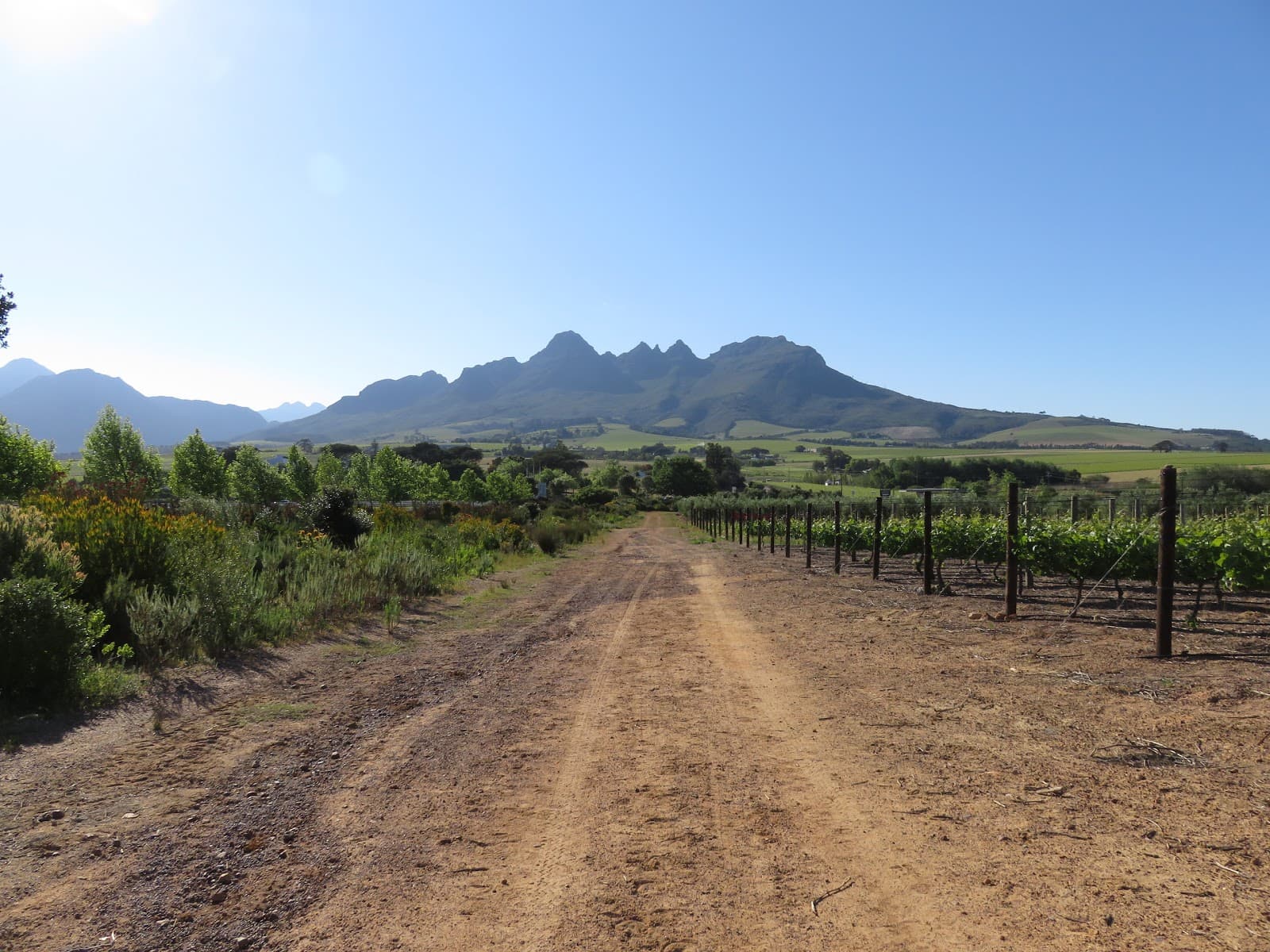
Babylonstoren dates to 1692, making it one of the oldest Cape Dutch farms in the Winelands. The property sits at the foot of the Simonsberg mountain, almost halfway between Franschhoek and Paarl in the Drakenstein Valley, and for most of its three centuries it operated as a working farm without particular renown. That changed when former magazine editor Karen Roos acquired the estate and embarked on a restoration that would turn Babylonstoren into one of South Africa's most celebrated agricultural destinations.
Roos's vision was rooted in the historic Cape Dutch aesthetic -- thick whitewashed walls, elegant gables, and hearty fireplaces -- but executed with a contemporary sensibility. The centrepiece of the restoration is the garden: a 3.5-hectare formal fruit and vegetable garden inspired by the Company's Gardens that the Dutch East India Company established in Cape Town in 1652 to provision passing ships. The Babylonstoren garden is divided into fifteen distinct sections comprising fruit orchards, berry gardens, fragrant lawns, a prickly pear maze, indigenous plant collections, beehives for pollination, and a magnificent clivia tunnel cultivated from specimens donated by renowned collectors. A succulent house, spice house, and healing garden add tropical and herbal dimensions, while the cycad collection is one of the rarest plant exhibitions in the world accessible to the public.
The winemaking programme is led by Cellar Master Charl Coetzee and winemaker Klaas Stoffberg, who work with state-of-the-art stainless steel tanks and French oak barrels, as well as artisanal amphorae and concrete egg vessels for limited-edition bottlings. The range spans four whites, four reds, a Provencal-style Mourvedre Rose, and the Cap Classique sparkling Sprankel. The estate is recognised as a specialist in Bordeaux blends, Cap Classique, Chardonnay, Chenin Blanc, Rose, and Shiraz.
Dining at Babylonstoren follows a farm-to-fork philosophy anchored by the garden. Babel restaurant, housed in a refurbished old cowshed with Cape Dutch gables and modern glass walls, serves menus guided by what is available in the garden -- a pick, clean, and serve approach. The Greenhouse offers informal eating, the Old Bakery provides fresh bread and pastries, and the Tasting Room is suspended above the vineyard.
Accommodation options range from the Farm Hotel with its authentic Cape Dutch farmstay atmosphere to Garden Cottages, Fynbos Cottages, Fynbos Family Houses, the Manor House, and the Farmhouse. The estate also operates a spa, a farm shop with bakery and coffee roastery, and a boathouse with rowing boats on the dam.
Babylonstoren holds IPW and WIETA sustainability accreditations. Daily garden tours depart from the Farm Shops at 10h00, with a collections tour at 11h30 on weekdays. The estate is a stop on the Franschhoek Wine Tram route and offers bird watching, animal encounters, walking tours, vineyard tours, and winemaking experiences.
One of the oldest Cape Dutch farms in the Winelands, dating to 1692
3.5-hectare formal garden with 15 sections, including one of the rarest public cycad collections in the world
Babel restaurant in a refurbished cowshed -- farm-to-fork dining guided by the garden's harvest
Tasting Room suspended above the vineyard
Winemaking with artisanal amphorae and concrete egg vessels alongside traditional French oak
Cellar Master Charl Coetzee and winemaker Klaas Stoffberg lead the team
Cap Classique Sprankel and Provencal-style Mourvedre Rose
Luxury Cape Dutch accommodation spanning cottages, manor house, farmhouse, and fynbos lodges
On-site spa, farm shop, bakery, coffee roastery, and boathouse
Franschhoek Wine Tram stop with daily garden tours
Award-Winning Food
Award-Winning Wines
Heritage Estate
Gourmet
Scenic
Historic
Romantic
The Winemaker
Charl Coetzee (Cellar Master), Klaas Stoffberg (Winemaker)
Cellar Master Charl Coetzee and winemaker Klaas Stoffberg lead the Babylonstoren winemaking team, assisted by Danielle Marais and Kyle Davids. They work with stainless steel, French oak barrels, artisanal amphorae, and concrete egg vessels to produce a range spanning Chenin Blanc, Chardonnay, Viognier, Bordeaux blends, Shiraz, Cabernet Sauvignon, Rose, and Cap Classique.
Our Heritage
The story of Babylonstoren Wine Estate through the years
1692
Farm Established
Babylonstoren is established as a Cape Dutch farm at the foot of the Simonsberg mountain in the Drakenstein Valley.
2000s
Karen Roos Acquires the Estate
Former magazine editor Karen Roos purchases Babylonstoren and begins a comprehensive restoration, transforming it into one of South Africa's most celebrated farm destinations.
present
Destination Wine Estate
Babylonstoren operates as a 200-hectare working farm with winery, multiple restaurants, luxury accommodation, spa, and a 3.5-hectare formal garden.
Sustainability
Babylonstoren holds IPW (Integrated Production of Wine) and WIETA (Wine and Agricultural Ethical Trade Association) sustainability accreditations, demonstrating commitment to environmentally responsible production and ethical labour practices.
Accreditations
IPW (Integrated Production of Wine)
WIETA (Wine and Agricultural Ethical Trade Association)
Who Is This For?
Perfect for Sunny Days
A Wet Day
Cosy Winter Visits
Private Events
Families with Teens
Large Groups
Medium Groups
Small Groups
Couples
Solo Visitors
Spa Visits
Weddings
Romantic Occasions
Non-Drinker Friendly
More in Stellenbosch
Quick Facts
RegionStellenbosch
Established1692
WinemakerCharl Coetzee (Cellar Master), Klaas Stoffberg (Winemaker)
Tasting FeeR65 – R550
Rating4.6 / 5
Wine Varietals8
Wheelchair Accessible
Views & Setting
Vineyards
Cellar
Farmland Scenery
Gardens / Lawns
Mountains
Panoramic Views