Loading...
Breedekloof
Heritage Family Estate
Bergsig Wine Estate
Bergsig Wine Estate -- Seven generations of the Lategan family in the Breedekloof Valley since 1843
4.3(86 reviews)
Est. 1843About Bergsig Wine Estate
Established in 1843
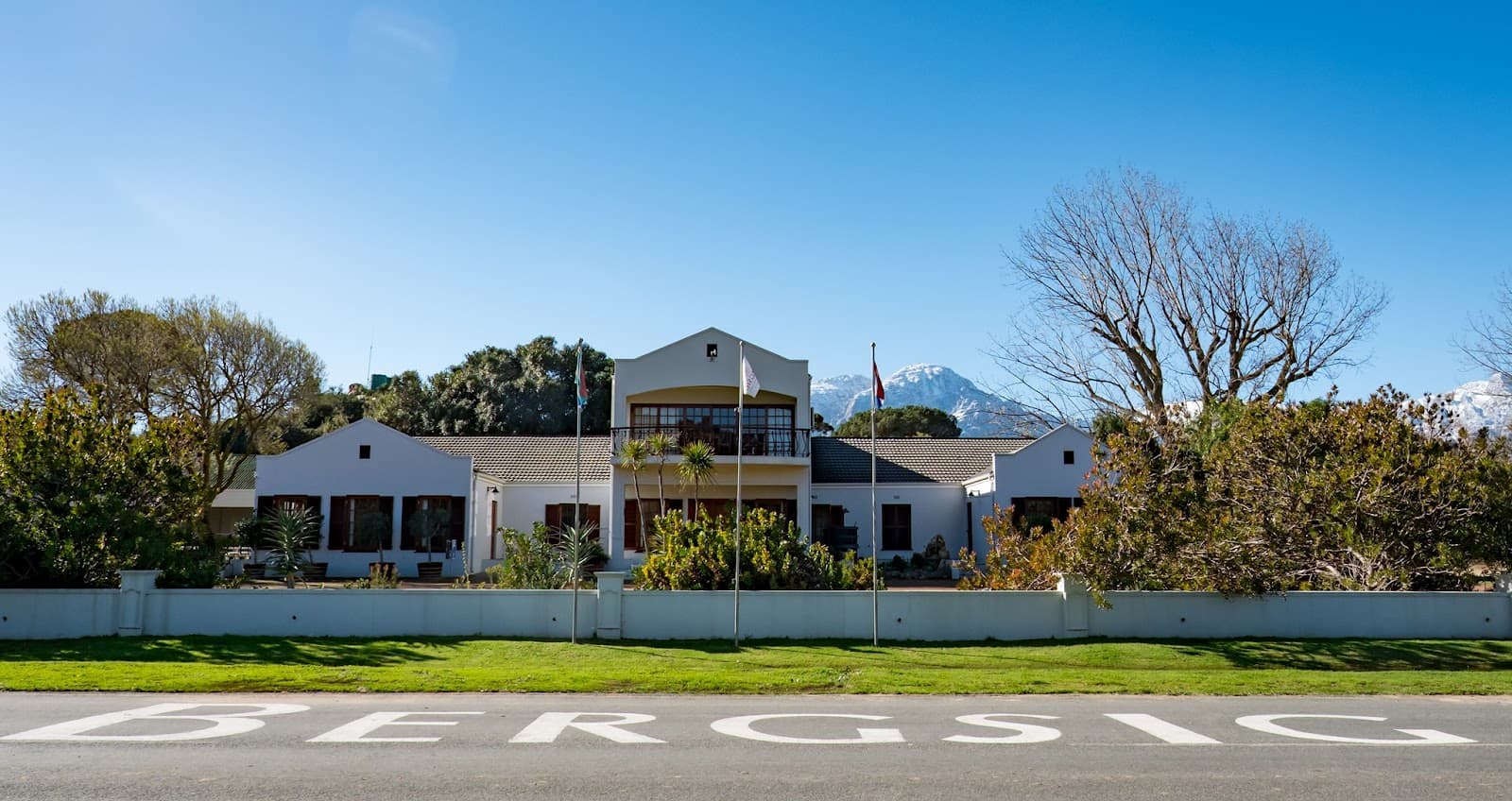
Bergsig Wine Estate sits where the Drakenstein and Hex River Mountains meet in the Breedekloof Valley, and the farm's name -- meaning 'mountain view' -- captures the setting perfectly. The Lategan family has farmed this land since 1843, when patriarch Willem Hendrik Lategan chose to start a life at the foot of the mountain. Seven generations later, the family still tills the soil, plants vines, and makes award-winning wines. It is one of the oldest continuously family-operated wine estates in the Breedekloof region.
The Lategan roots in the Cape Winelands reach back even further. In 1735, Johann Hermann Lategan arrived from Germany aboard the sailing ship Patmos and settled in the Wamakers Valley near what is now Bergsig. That voyage is commemorated in the estate's Patmos Chenin Blanc Reserve, while other wines in the Lategan Reserve Collection honour family members: the Tant Anna Chardonnay Reserve (named after Anna Lategan, whose story was recorded in Lady Anne Barnard's diary after her husband's death in 1813) and the Oom Prop Cabernet Sauvignon Reserve (named after Wilhelm 'Oom Prop' Lategan, born in 1938, who took over the farm at 18 after losing his parents and expanded it from 50 to 250 hectares of irrigated vineyard despite dreaming of becoming a doctor).
The wine range spans Sauvignon Blanc, Chenin Blanc, Riesling, Chardonnay, Gewurztraminer, Rose, Pinotage, Cabernet Sauvignon, Touriga Nacional, Noble Late Harvest, and Cape Ruby Port. The inclusion of Riesling, Gewurztraminer, and Touriga Nacional alongside classic South African varieties reflects both the unique micro-climate at the mountain convergence and the Lategan family's willingness to experiment over seven generations. Bergsig is recognised as a specialist in Cabernet Sauvignon, Chardonnay, Chenin Blanc, Estate Wines, Premium or Fine Wine, and Sweet/Dessert Wines.
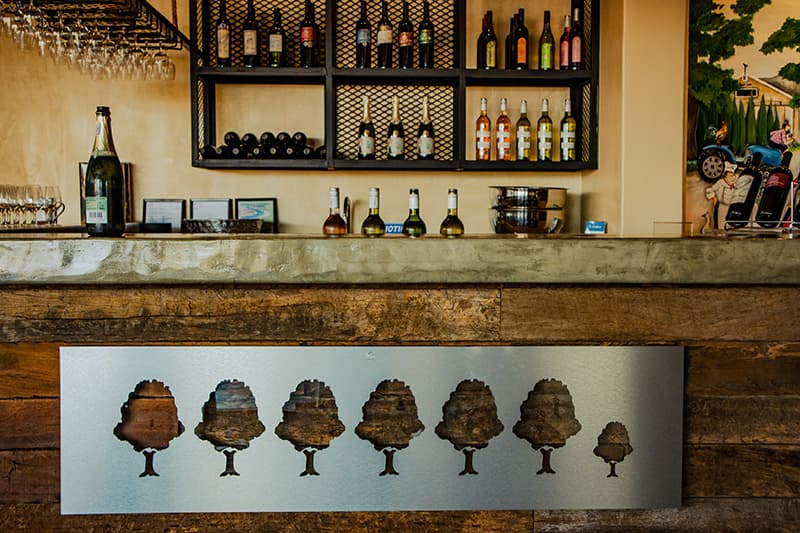
The Bergsig Bistro is a stylishly decorated restaurant with views over the vineyards, open daily for breakfast, lunch, and tea. The estate also caters for private functions. A kids' menu and jungle gym make it family-friendly, and the outside terraces -- both at the restaurant and the tasting room -- bring the mountain panorama into the dining and tasting experience. Food and wine pairings are available for those seeking a more structured culinary experience.
Accommodation is available on the estate in comfortable lodgings with fireplaces and free Wi-Fi, making Bergsig a natural base for weekend getaways. Cycling trails, bird watching, and guided cycle tours invite visitors to explore the Breedekloof landscape, and the estate caters for corporate events, couples, solo travellers, and families alike.
Bergsig holds IPW and WIETA sustainability accreditations, and the estate maintains an elegant, traditional character that befits its heritage status as one of the Breedekloof Valley's founding wine farms.
Lategan family since 1843 -- seven generations of continuous winemaking
Lategan Reserve Collection: Patmos Chenin Blanc, Tant Anna Chardonnay, Oom Prop Cabernet Sauvignon
Heritage traced to 1735 when Johann Hermann Lategan arrived aboard the Patmos
Bergsig Bistro with vineyard views -- breakfast, lunch, tea, and private functions
Comfortable on-estate accommodation for weekend getaways
Cycling trails, bird watching, and cycle tours through the Breedekloof Valley
Where the Drakenstein and Hex River Mountains meet -- spectacular mountain panorama
IPW and WIETA sustainability accreditations
Noble Late Harvest and Cape Ruby Port alongside classic varietals
Award-Winning Wines
Family-Owned Estate
Heritage Estate
Off the Beaten Track
Elegant & Stylish
Traditional
Gourmet
Luxury
Historic
Boutique
Elegant
Romantic
Scenic
Family Friendly
The Winemaker
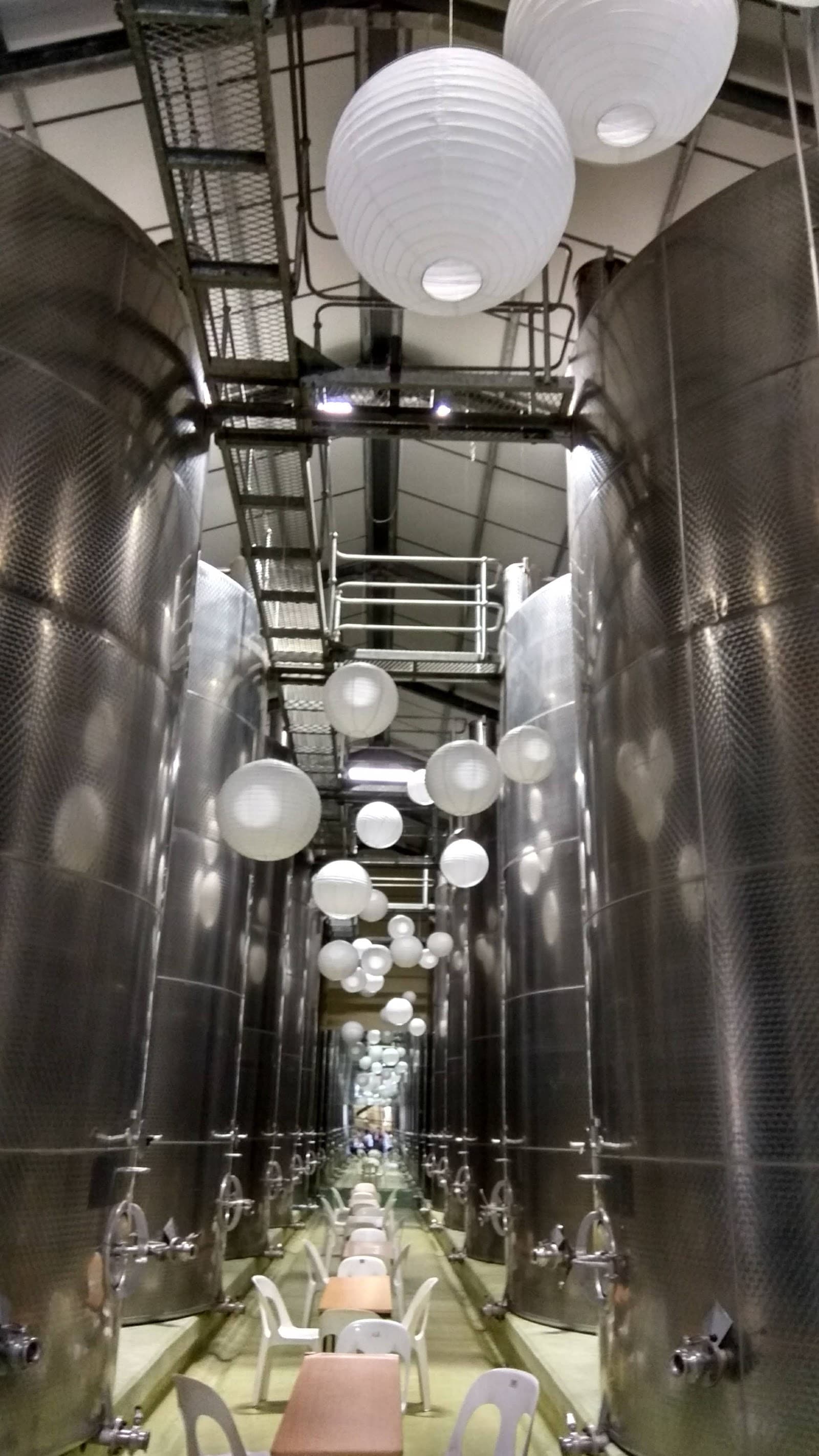
Bergsig's cellar team draws on seven generations of Lategan family winemaking knowledge, producing a range that spans from classic varietals to the heritage-driven Lategan Reserve Collection. The estate's position where the Drakenstein and Hex River Mountains meet creates unique terroir conditions.
Our Heritage
The story of Bergsig Wine Estate through the years
1735
Lategan Arrives in South Africa
Johann Hermann Lategan arrives from Germany aboard the sailing ship Patmos and settles in the Wamakers Valley near present-day Bergsig.
1843
Bergsig Farm Established
Willem Hendrik Lategan establishes Bergsig at the foot of the mountain in the Breedekloof Valley, beginning seven generations of family winemaking.
1950s
Oom Prop Expands the Estate
Wilhelm 'Oom Prop' Lategan takes over at age 18 and expands Bergsig from 50 to 250 hectares of irrigated vineyard.
present
Seventh Generation
The Lategan family continues to operate Bergsig Wine Estate with a bistro, accommodation, cycling trails, and the Lategan Reserve wine collection.
Sustainability
Bergsig Wine Estate holds IPW (Integrated Production of Wine) and WIETA (Wine and Agricultural Ethical Trade Association) sustainability accreditations, demonstrating commitment to environmentally responsible production and ethical labour practices.
Accreditations
IPW (Integrated Production of Wine)
WIETA (Wine and Agricultural Ethical Trade Association)
Who Is This For?
Perfect for Sunny Days
A Wet Day
Cosy Winter Visits
Weekend Getaways
Corporate Events
Cyclists
Families with Young Kids
Families with Teens
Large Groups
Medium Groups
Small Groups
Couples
Solo Visitors
Romantic Occasions
More in Breedekloof
Quick Facts
RegionBreedekloof
Established1843
Rating4.3 / 5
Wine Varietals11
Kid-Friendly
Views & Setting
Vineyards
Cellar
Farmland Scenery
Valley
Mountains