Loading...
About Porseleinberg
Established in 2009
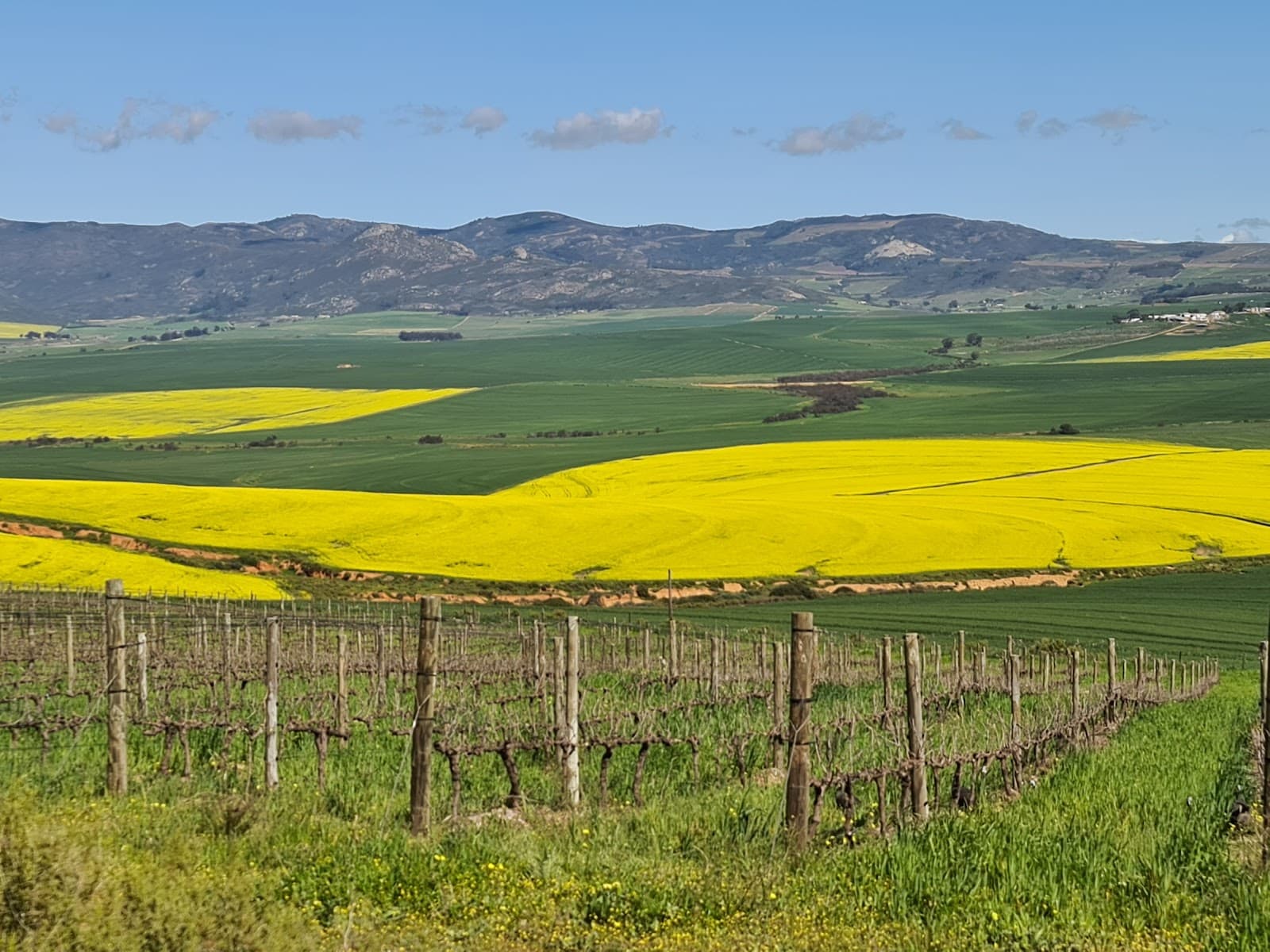
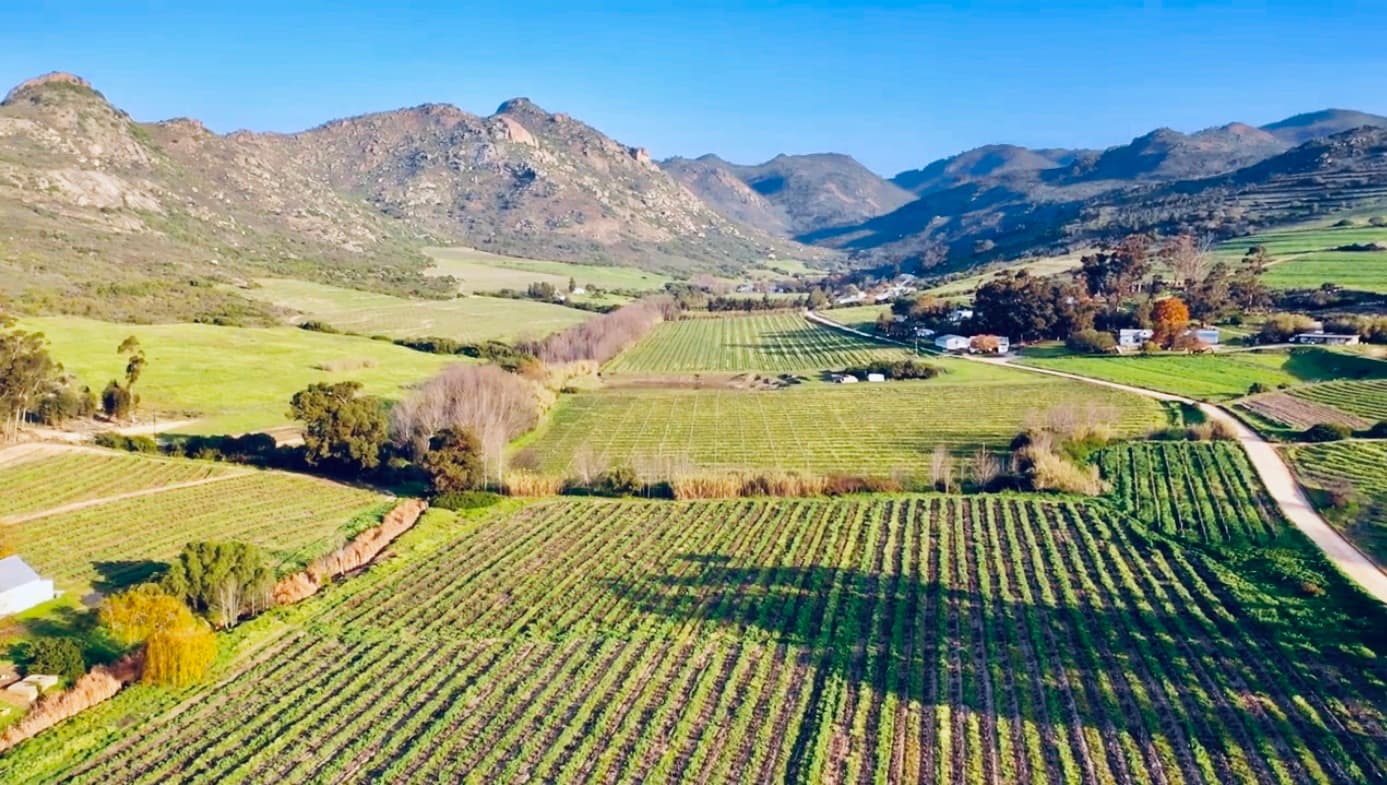
Porseleinberg is named for the mountain on which it sits — a peak in the Swartland whose white quartz-streaked schist soils were said to resemble porcelain. It is one of the most extreme vineyard sites in South Africa: steep, dry, windswept, and composed almost entirely of ancient schist and slate. This is not a place where vines grow easily. It is a place where they struggle, root deep, and produce fruit of extraordinary concentration.
The story begins in 2009, when Marc Kent — director of the acclaimed Franschhoek estate Boekenhoutskloof — purchased a 70-hectare wine farm atop the Porseleinberg. Much of the vineyard had been destroyed by fire in 2006, leaving roughly one hectare of surviving Syrah vines. Kent brought in Callie Louw, a young viticulturist and winemaker, to run the project with a clear vision: to produce a single, definitive Swartland Syrah from this remarkable site. Louw would live on the mountain, farm the land, and make the wine.
The first vintage of Porseleinberg Syrah was 2010, produced from that single surviving hectare. Replanting began immediately and continued through 2018, eventually establishing 14 hectares of Syrah, Grenache, and Cinsault on the steep schist slopes. From the start, Louw adopted organic practices, and by 2016 the entire operation was certified organic. Biodynamic principles also influence the farming. There are no irrigation systems — the vines are dry-farmed, relying entirely on winter rainfall and the moisture-retaining properties of the fractured schist.
The wine that emerged immediately attracted international attention. Critics compared it to the great Northern Rhone Syrahs — Cornas, Hermitage — for its density, tannic structure, and profound sense of place. Greg Sherwood MW described it as South Africa's 'First Growth Syrah.' Every vintage from 2010 to 2021 was guided by Callie Louw, who shaped the wine's identity completely. In 2025, Louw departed to pursue his dream of acquiring his own land, marking the end of a founding chapter.
Porseleinberg produces essentially one wine: a single-vineyard Syrah of cult status. Some Grenache and Cinsault fruit is directed to Boekenhoutskloof's Chocolate Block blend. The estate offers vineyard tours and wine workshops by arrangement, and luxury accommodation is available on the property. There is no tasting room in the conventional sense — this is a working vineyard, not a tourist destination. Visits are by appointment and reward those willing to make the journey up the mountain. The wine is allocated, not widely distributed, and the waiting list reflects its reputation as one of the most compelling single-site wines in the Southern Hemisphere.
South Africa's 'First Growth Syrah' — cult-status single-vineyard wine
Certified organic since 2016 with biodynamic farming practices
Extreme schist terroir — steep, dry, windswept mountain vineyard
Boekenhoutskloof project — backed by one of SA's most acclaimed estates
Entirely dry-farmed — no irrigation on the property
First vintage 2010 from one surviving hectare after a devastating fire
Callie Louw shaped every vintage from 2010 to 2024
Allocated wine — waiting list distribution reflects demand
Award-Winning Wines
Family-Owned Estate
Boutique
Scenic
Rustic
Exclusive
The Winemaker
Callie Louw
Callie Louw was the founding farmer and winemaker at Porseleinberg from 2009 to 2025, guiding every vintage from the first release in 2010 through the 2024 harvest. Living on the mountain, he farmed the steep schist slopes organically and shaped the Porseleinberg Syrah into what critics call South Africa's 'First Growth Syrah.' Louw departed in 2025 to pursue his own winemaking venture.
Our Heritage
The story of Porseleinberg through the years
2006
Fire Destroys Vineyards
A devastating fire destroys most of the vineyard on the Porseleinberg, leaving approximately one hectare of surviving Syrah.
2009
Boekenhoutskloof Acquires the Farm
Marc Kent of Boekenhoutskloof purchases the 70-hectare property and installs Callie Louw as farmer and winemaker.
2010
First Vintage
The inaugural Porseleinberg Syrah is produced from the single surviving hectare of vines, immediately drawing critical acclaim.
2016
Certified Organic
The entire Porseleinberg operation achieves organic certification, building on biodynamic practices adopted from the outset.
Sustainability
Porseleinberg has been certified organic since 2016, with biodynamic practices informing the farming from the outset. The vines are entirely dry-farmed — no irrigation systems exist on the property. The fractured schist soils retain winter moisture naturally, and the steep slopes promote natural drainage. This is farming at its most honest: no inputs beyond what the mountain provides.
Accreditations
Certified Organic (since 2016)
Greg Sherwood MW — 'South Africa's First Growth Syrah'
Who Is This For?
Weekend Getaways
More in Swartland
Quick Facts
RegionSwartland
Established2009
WinemakerCallie Louw
Rating5.0 / 5
Wine Varietals1
Views & Setting
Vineyards