Loading...
Stellenbosch
Heritage Cooperative
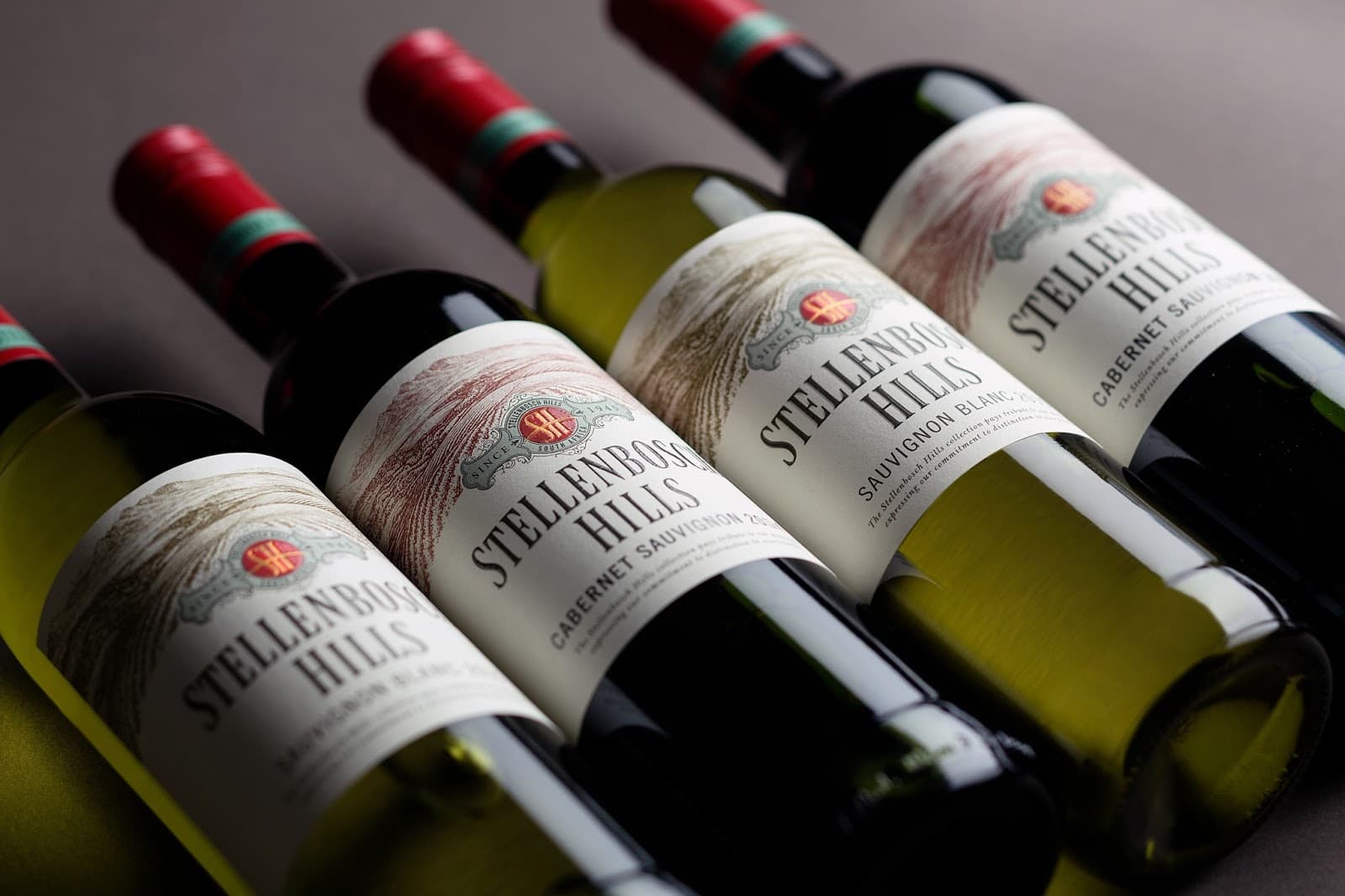
Stellenbosch Hills
Stellenbosch Hills — Rooted in Stellenbosch since 1945
4.7(100 reviews)
Est. 1945Winemaker: PG Slabbert (Cellar Master), Charl (Winemaker)About Stellenbosch Hills
Established in 1945
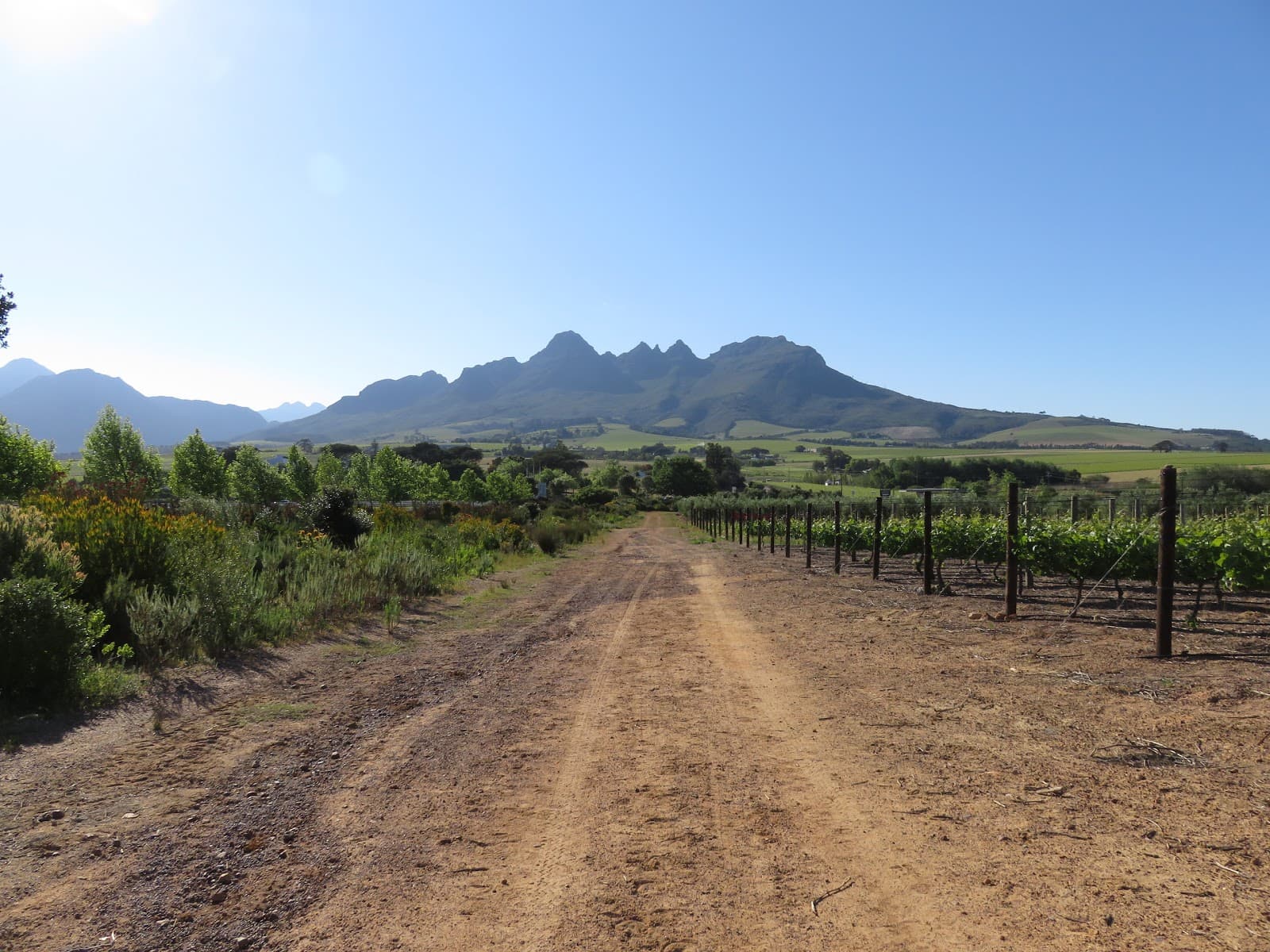
Stellenbosch Hills traces its roots to 1707, the year Governor Simon van der Stel allocated the first farms in Vlottenburg to settlers Gerrit Hanseret and Pierre Rochefort. It is widely accepted that grape growing was among the earliest farming activities in this area, making the land now occupied by Stellenbosch Hills one of the oldest viticultural sites in the Cape.
The modern cellar was established in 1945 as the Vlottenburg Co-operative, a collective of local growers pooling their resources to produce wine of consistent quality. For nearly six decades the cooperative operated under the Vlottenburg name, building a reputation for reliable, well-priced wines from the Stellenbosch heartland. In 2003, reflecting the fact that its grapes were now sourced from a broader geographical spread beyond Vlottenburg alone, the winery was renamed Stellenbosch Hills.
Today Stellenbosch Hills is an award-winning cellar with 12 producer members representing a remarkably diverse spectrum of terroirs across the famed Stellenbosch region. The cellar processes approximately 6,000 tons of grapes per year, an impressive volume that encompasses a wide palette of cultivars including Sauvignon Blanc, Chenin Blanc, Pinotage, Cabernet Sauvignon, Merlot, Shiraz, Petit Verdot, Malbec, Cabernet Franc, Pinot Noir, Viognier, Semillon, and Chardonnay.
PG Slabbert has served as Cellar Master since joining in 1997, when the winery was still called Vlottenburg, and formally taking the title in 2003. His career began at KWV before moving to Stellenbosch Hills, where he has now celebrated more than a quarter century of service. Working alongside him, winemaker Charl brings experience gained at the 16,500-ton Waboomsrivier Winery in the Breede River Valley.
The wines are arranged across several ranges. The 1707 range sits at the top, honouring the year farming began in Vlottenburg with premium red and white blends. The Polkadraai range, named after the winding country road that connects the diverse vineyards of the member farms, offers easy-drinking, well-balanced wines that capture the spirit and variety of Stellenbosch. The Polka range extends this accessibility into cans and larger-format packaging. The cellar also produces varietal wines and a sparkling range.
The cooperative structure is a genuine strength rather than a compromise. With 12 member farms spanning different aspects, altitudes, and soil types across Stellenbosch, the cellar has access to a diversity of fruit that most single-estate wineries can only dream of. Slabbert and his team can blend across terroirs to achieve consistency and complexity, or isolate exceptional parcels for the 1707 range. It is a model that delivers remarkable quality for the price, particularly in the Polkadraai range where everyday drinkability meets genuine Stellenbosch character.
Stellenbosch Hills sits at the intersection of R310 and Vlottenburg Road, an easy stop on any Stellenbosch wine route itinerary. The tasting room offers an unhurried introduction to one of the region's best-value producers, where cooperative heritage meets modern winemaking ambition.
Viticultural heritage dating to 1707
Cooperative cellar with 12 producer members across Stellenbosch
6,000 tons processed annually across 13+ cultivars
PG Slabbert — 25+ years as cellar master
1707 Reserve range honouring the farm's founding year
Exceptional value for Stellenbosch quality
Located on the scenic Polkadraai wine route
Gourmet
Scenic
Elegant
The Winemaker
PG Slabbert (Cellar Master), Charl (Winemaker)
PG Slabbert has been Cellar Master at Stellenbosch Hills since 2003, having joined the cellar (then Vlottenburg Co-op) in 1997 from KWV. He has celebrated more than a quarter century of service. Winemaker Charl, who previously served as senior winemaker at the 16,500-ton Waboomsrivier Winery, heads up the production of the main wine ranges.
Our Heritage
The story of Stellenbosch Hills through the years
1707
First Farms Allocated
Governor Simon van der Stel allocates the first farms in Vlottenburg to settlers Gerrit Hanseret and Pierre Rochefort. Grape growing begins.
1945
Vlottenburg Co-operative Founded
Local growers establish the Vlottenburg Co-operative, pooling resources to produce wine of consistent quality.
1997
PG Slabbert Joins
PG Slabbert joins Vlottenburg from KWV, beginning what would become more than 25 years of service as cellar master.
2003
Renamed Stellenbosch Hills
The cooperative is renamed Stellenbosch Hills to reflect the broader regional sourcing of its grapes beyond Vlottenburg.
More in Stellenbosch
Quick Facts
RegionStellenbosch
Established1945
WinemakerPG Slabbert (Cellar Master), Charl (Winemaker)
Tasting FeeR55 – R110
Rating4.7 / 5
Wine Varietals11
Wheelchair Accessible