Loading...
Stellenbosch
Historic Prestige
Stellenbosch Wine Routes
Stellenbosch Wine Routes — Rooted in Stellenbosch since 1971
4.6(66 reviews)
Est. 1971About Stellenbosch Wine Routes
Established in 1971
The Stellenbosch Wine Routes is the oldest and most celebrated wine route organisation in South Africa, and its founding story begins not in the Cape but in Burgundy. In 1969, winemakers Frans Malan of Simonsig and Niel Joubert of Spier were travelling through France when they stumbled upon the Routes des Vins signpost at Morey-Saint-Denis. The idea was irresistible: why not create something similar in Stellenbosch, where the farms were just as historic and the wines increasingly world-class?
Two years later, on 6 April 1971, Malan and Joubert — joined by Spatz Sperling of Delheim — formally launched the Stellenbosch Wine Routes, making it the first organised wine route in South Africa. In those early days, the concept was radical. Before the route existed, most Cape wine farms sold their grapes to cooperatives and had no cellar-door experience at all. The founding trio changed that, creating a coordinated network of farms that opened their doors to the public for tastings, sales, and hospitality. It was the birth of wine tourism in South Africa.
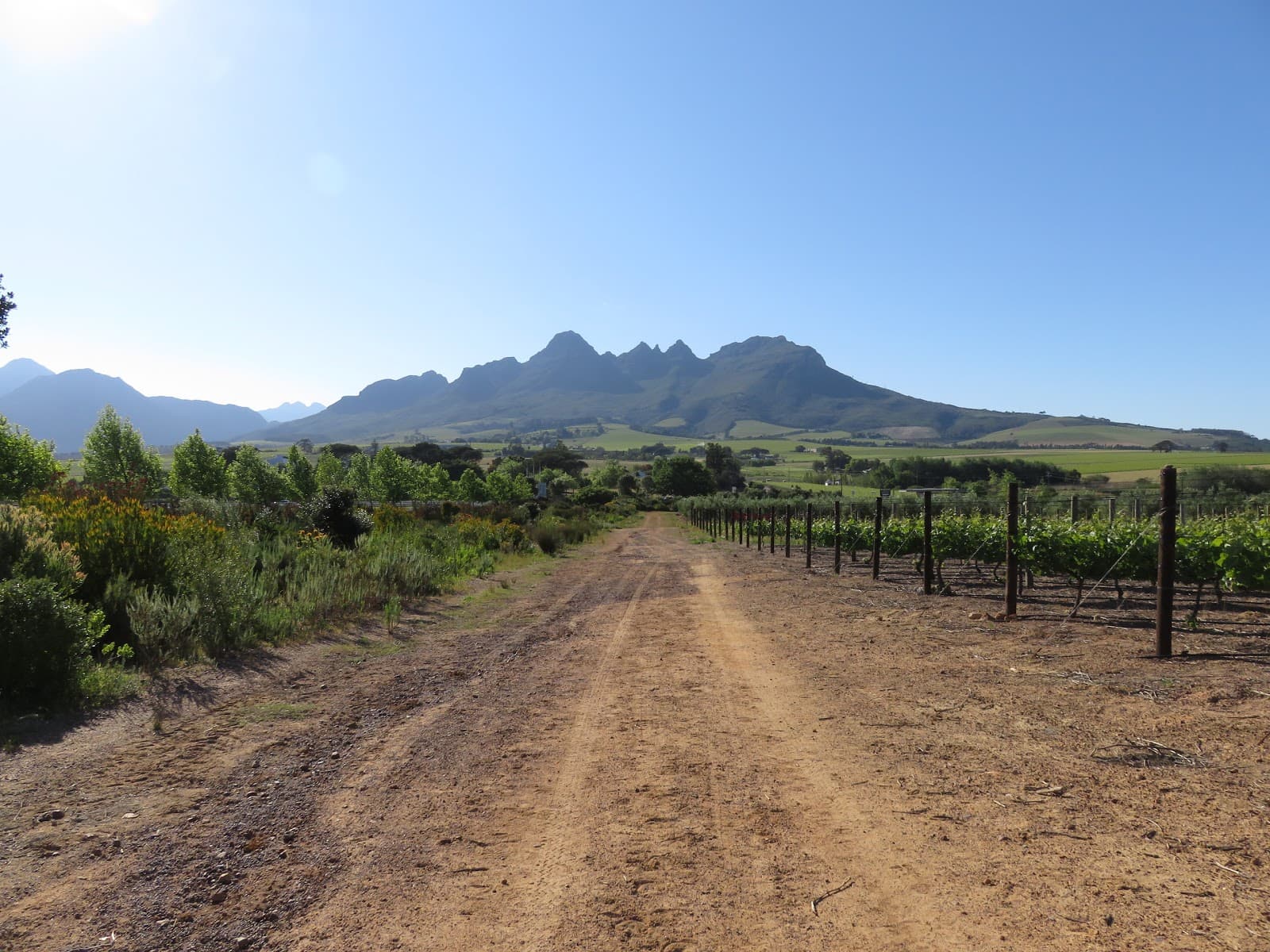
More than fifty years later, the Stellenbosch Wine Routes represents over 150 member wineries within the boundaries of the Stellenbosch Wine of Origin classification. The organisation divides its territory into five sub-routes — Greater Simonsberg, Stellenbosch Berg, Helderberg, Stellenbosch Valley, and Bottelary Hills — each with its own distinct climate, soil profile, and signature wine styles. From the granite slopes of Simonsberg to the maritime-influenced Helderberg bowl, the diversity of terroir across the appellation is extraordinary.
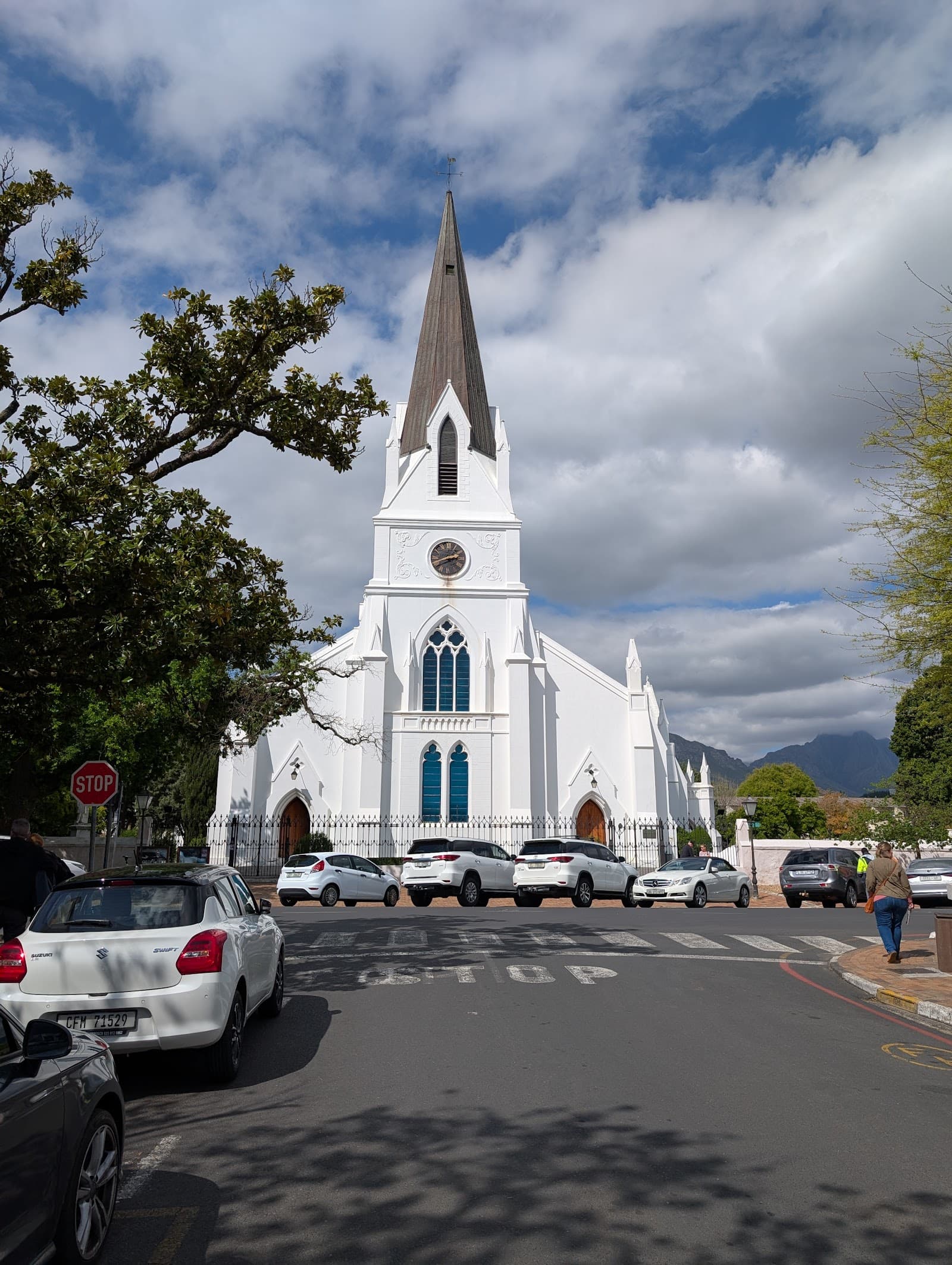
Stellenbosch itself is the undisputed wine capital of South Africa. Its university has trained generations of winemakers and viticulturists, and the town's oak-lined streets are home to more wine-related businesses per square kilometre than anywhere else on the continent. The member farms range from historic Cape Dutch estates like Lanzerac, Rustenberg, and Meerlust to modernist newcomers pushing boundaries with natural winemaking and unconventional blends.
The route's annual calendar includes flagship events such as the Stellenbosch Wine Festival, vineyard-to-table dining experiences, and seasonal open-cellar weekends that draw visitors from around the world. The organisation also champions sustainability through its membership of the Porto Protocol, committing Stellenbosch producers to climate-conscious viticulture.
From its offices at 47 Church Street in Stellenbosch, the Wine Routes team coordinates marketing, tourism development, and member services for what remains the most visited wine region in Africa. It is an organisation built on a simple insight from a Burgundy road sign — and fifty-five years of turning that insight into a world-class wine destination.
South Africa's first wine route, founded in 1971 by the pioneers of Cape wine tourism
Over 150 member wineries across five distinct sub-routes
Stellenbosch is the undisputed wine capital of South Africa
Home to historic estates like Lanzerac, Rustenberg, Meerlust, and Simonsig
Five sub-routes: Greater Simonsberg, Stellenbosch Berg, Helderberg, Stellenbosch Valley, Bottelary Hills
Porto Protocol member — committed to climate-conscious viticulture
Stellenbosch University has trained generations of South African winemakers
Scenic
Elegant
Our Heritage
The story of Stellenbosch Wine Routes through the years
1969
Burgundy Inspiration
Frans Malan and Niel Joubert discover the Routes des Vins at Morey-Saint-Denis in Burgundy, inspiring the concept of a South African wine route.
1971
Wine Route Founded
Frans Malan (Simonsig), Niel Joubert (Spier), and Spatz Sperling (Delheim) formally launch the Stellenbosch Wine Routes — South Africa's first.
2021
50th Anniversary
The Stellenbosch Wine Routes celebrates fifty years of pioneering wine tourism in South Africa.
Sustainability
The Stellenbosch Wine Routes is a member of the Porto Protocol, a global commitment to climate-conscious viticulture. Many member farms hold IPW (Integrated Production of Wine) certification, and the region is a leader in South African sustainable winemaking practices.
Accreditations
South Africa's First Wine Route (1971)
Porto Protocol Member
More in Stellenbosch
Quick Facts
RegionStellenbosch
Established1971
Rating4.6 / 5
Wine Varietals2
Wheelchair Accessible